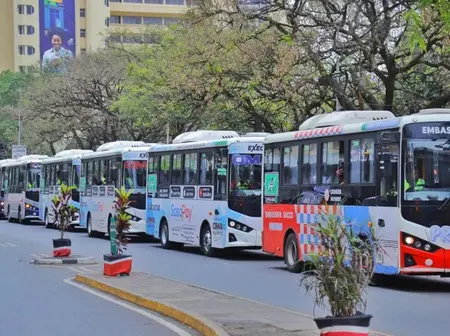
Kenya has outlined new environmental and quality requirements for used electric vehicle (EV) imports, with the National Environment Management Authority (NEMA) warning that proper battery disposal systems must keep pace with the growing shift to electric mobility.
Representing NEMA Director General, Dr. Mamo B. Mamo, during the ongoing United Nations Climate Change Conference COP 31 at the Antalya Expo Centre in Antalya, Türkiye, Dr Anne Omambia said Kenya is open to importing used electric vehicles but stressed that the vehicles must meet verified quality standards and come with a clear plan for managing their batteries once they reach the end of their useful life.
The position was presented by Dr Anne Omambia, who represented Mamo during a UNEP and Naspers-Prosus side event at the ongoing United Nations Climate Change Conference COP31 at the Antalya Expo Center in Antalya, Türkiye.
In an update shared on Sunday, November 15, 2026, NEMA said the discussions addressed Kenya’s position on used EV imports, vehicle quality standards, environmental safeguards and the responsibilities of regulators in the electric mobility sector.
NEMA also pointed to the Sustainable Waste Management (Extended Producer Responsibility) Regulations, 2024, which require producers and importers of batteries to register with NEMA and join an approved Extended Producer Responsibility (EPR) scheme.
“Whoever puts a battery on the Kenyan market is responsible for its end-of-life,” NEMA quoted the Director General as saying.
The requirement is particularly important as Kenya’s electric vehicle market expands, bringing with it the need for systems that can safely handle batteries that are no longer suitable for use.
While electric vehicles offer environmental benefits, NEMA noted that the country still faces practical challenges in managing the waste generated by the technology.
According to the authority, electric vehicles can reduce lifecycle emissions by up to 70 per cent compared with equivalent petrol-powered vehicles.
However, Kenya has limited facilities for safely collecting, transporting, reusing and recycling large volumes of lithium-ion batteries.
The authority also identified gaps in charging infrastructure and reliable local information on battery health, vehicle mileage and vehicle history.
These challenges could make it difficult to establish the actual condition of imported used electric vehicles and determine how long their batteries can remain in service.
“Kenya welcomed the importation of the EVs but with verified quality at the border and a plan for the battery end-of-life,” he said.
He noted that putting these safeguards in place would allow the used electric vehicle market to support Kenya’s transition to cleaner transport while reducing emissions.
The remarks place greater emphasis on the responsibility of importers, battery producers and regulators as Kenya seeks to expand electric mobility without creating a new environmental waste management challenge.
Leave a Reply