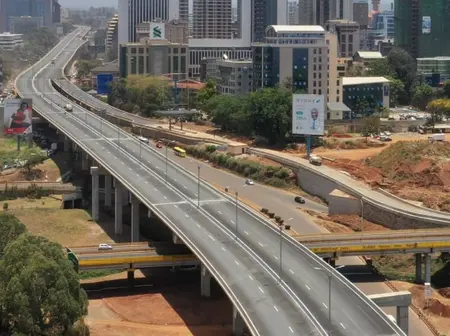
Ndii weighed in on the debate after economist and journalist Jaindi Kisero questioned the project’s expenditure, dollar-denominated loans and ability to turn rising revenue into profits.
Journalist Eric Latiff also raised concerns over the reported Ksh14.73 billion in direct expenditure recorded by Moja Expressway Company Limited in 2025, questioning the cost of operating and maintaining the 27-kilometre road.
Responding, Ndii said major infrastructure projects often rely heavily on borrowing, meaning much of the revenue collected during their early years goes towards servicing loans rather than generating immediate profits.
He explained that such developments commonly use a financing structure of approximately 30 per cent equity and 70 per cent debt. According to him, borrowing costs can range between five and 10 per cent annually, while equity investors may demand returns of between 15 and 20 per cent.
Ndii added that infrastructure investments typically require a long recovery period, with cash generated during the first 10 to 15 years largely directed towards debt repayment.
He argued that pension funds and other long-term investors provide suitable capital for such projects because they can wait more than 15 years to recover their investments.
The debate follows financial figures showing that Moja Expressway collected Ksh9.63 billion in revenue in 2025 but recorded direct expenditure of Ksh14.73 billion, leaving a deficit of approximately Ksh5.1 billion.
The figures were contained in the National Treasury’s annual report on public-private partnerships. The company's financial performance had also shown a deficit in the year ending June 2024, when it reported Ksh4.6 billion in revenue against Ksh5.8 billion in expenditure.
Kisero has questioned the decision to use dollar-denominated loans for a project collecting tolls in Kenya shillings, warning that exchange-rate movements could increase repayment costs.
He has also demanded explanations for the high operating expenditure, continued losses and challenges involving the Electronic Toll Collection system.
Treasury Cabinet Secretary John Mbadi has similarly called for a deeper examination of the rising costs. He noted that revenue increased from about Ksh7.1 billion in 2024 to Ksh9.6 billion in 2025, while direct expenditure rose from approximately Ksh9 billion to Ksh14.7 billion.
https://peopledaily.digital/business/david-ndii-explains-why-nairobi-expressway-makes-losses-despite-ksh9-6b-revenue
Leave a Reply