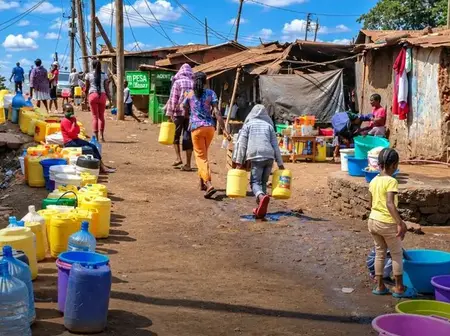
In an update shared on Wednesday, November 25, 2026, the utility disclosed that the reservoir held 32.179 million cubic metres of water as of November 21, representing 45 per cent of its total capacity of 70 million cubic metres.
According to Nairobi Water, Ndakaini Dam is the capital's biggest water source, making its declining levels a significant concern for households and businesses that depend on the reservoir.
The latest update follows an earlier public notice issued on November 9, when Nairobi Water announced a 35 per cent reduction in production at the Ngethu and Kigoro water treatment plants.
According to the Kenya News Agency, the decision followed below-average rainfall in the dam's catchment area, which reduced water inflows into the reservoir.
The production reduction affected customers supplied by seven water service providers.
These include Nairobi City Water and Sewerage Company, Githunguri Water and Sanitation Company, Kiambu Water and Sanitation Company, Karuri Water and Sanitation Company, Mavoko Water and Sewerage Company, Oloolaiser Water and Sewerage Company and Olkejuado Water and Sewerage Company.
Residents in parts of Nairobi, Kiambu, Kajiado and Machakos are therefore among those facing the effects of reduced water production.
In its November 25 communication, however, Nairobi Water did not announce another production cut or publish a new list of neighbourhoods facing a fresh emergency shutdown.
The company said it was monitoring water levels and weather conditions and would periodically review production depending on available reserves.
The utility urged households and businesses to avoid unnecessary water wastage, repair leaking taps and prioritise essential domestic needs.
Customers seeking assistance can contact Nairobi Water through its toll-free customer care number, 0800 724 366, or dial *260# for services.
The company has appealed for patience and cooperation as it manages the available water resources.
Sources: Nairobi Leo, Kenya News Agency, Daily Nation a
Leave a Reply