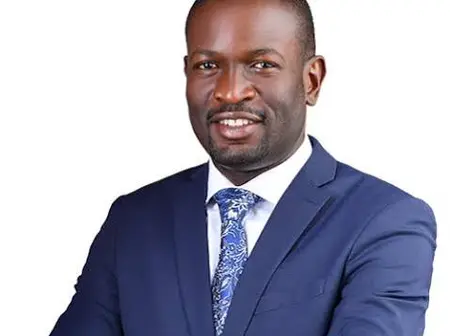
Nairobi Senator and Linda Mwananchi Movement leader Edwin Sifuna has declared that ordinary Kenyans, rather than political elites, must choose the joint opposition presidential candidate for the 2027 General Election. Speaking to members of the Kenyan diaspora in Dallas, Texas, on Friday, November 27, 2026, Sifuna dismissed closed-door negotiations among party principals ahead of the polls.
According to reports by People Daily and The Star published on Saturday, November 28, 2026, Sifuna insisted that picking a challenger to face President William Ruto requires open public participation. He stated that conversations around the opposition ticket will take place directly with citizens instead of inside hotel rooms or private boardrooms.
The declaration intensifies friction within the broader opposition as key figures jostle for supremacy ahead of 2027. Having parted ways with ODM and rebranded The Equitable Party into the Linda Mwananchi Movement, Sifuna has positioned himself as a youthful alternative to established figures like Kalonzo Musyoka, Rigathi Gachagua, and Fred Matiang’i.
While allies such as Embakasi East MP Babu Owino have repeatedly urged opposition principals to unite and avoid splitting votes, Sifuna’s stance complicates efforts to broker a pre-election power-sharing pact. By rejecting backroom zoning and elite consensus, the Nairobi Senator signals that his camp will not easily step down without a public mandate.
Meanwhile, rival camps are already capitalizing on the divisions within the opposition ranks. Figures aligned with President Ruto’s administration have dismissed Sifuna’s presidential ambitions while aggressively courting his Western Kenya backyard to lock down key regional voting blocs.
Political observers note that Sifuna’s grassroots-first approach could energize younger voters who feel alienated by traditional political deals, though it risks delaying a unified front against the ruling coalition. Whether the United Opposition adopts a public nomination model or sticks to elite negotiations will heavily influence voter turnout in Nairobi and Western Kenya.
Should the opposition pick its 2027 presidential flagbearer through a public vote by ordinary citizens, or let party leaders negotiate a consensus candidate behind closed doors?
Source
Leave a Reply