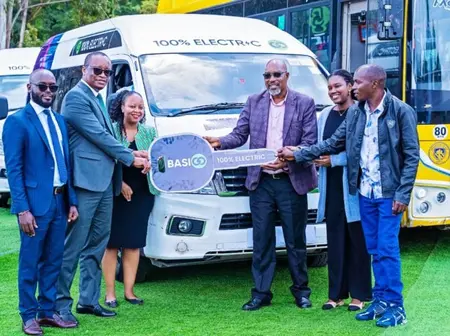
For decades, matatus and commuter buses have kept millions of Kenyans moving daily while relying heavily on imported petroleum and contributing to urban air pollution and noise.
The arrival and daily operation of these electric buses mark a practical test of whether zero-tailpipe-emission vehicles can meet the demanding schedules, passenger loads, and profit margins of Kenyan public transport.
Behind this transition is a mix of Chinese original equipment manufacturer technology, local assembly and financing models, and growing participation by matatu savings and credit cooperative societies.
Mobility providers and financing partners have introduced leasing and pay-as-you-drive structures aimed at lowering the steep upfront cost of electric buses compared with conventional diesel units, while bundling maintenance, insurance, and access to fast-charging depots.
For SACCOs and fleet owners weighing daily operating costs against fluctuating fuel prices, predictable per-kilometre expenses and lower routine engine wear offer an appealing alternative on busy urban corridors.
Passengers, drivers, and conductors are also experiencing tangible day-to-day differences on routes where electric buses operate.
Quieter cabins, smoother acceleration, and the absence of diesel exhaust make commutes more pleasant in congested city traffic, while Kenya’s high share of renewable electricity generation strengthens the environmental case for moving commuters onto electric power.
At the same time, operators must carefully plan charging windows, daily mileage limits, and route coverage so buses stay on schedule during peak morning and evening rushes.
What are your thoughts about this articles? Share your reactions in the comment section and don't forget to share and follow for more updates.
https://peopledaily.digital/business/how-102-chinese-technology-electric-buses-are-transforming-kenyas-matatu-industry-and-public-transport
Leave a Reply