Businesses transporting goods between Nairobi and Mombasa could face additional operating expenses if the proposed highway toll system is introduced.
The National Infrastructure Fund has suggested rates ranging from KSh6 to KSh36 per kilometre, depending on the vehicle category. Although the charges have not been finalised, the proposal has raised concerns about the cost of using the planned expanded highway.
Transport companies will need to consider whether the benefits of improved road conditions and faster journeys can compensate for the additional toll payments.
Companies operating trucks along the Nairobi-Mombasa route could accumulate substantial toll expenses if they make frequent journeys.
For example, using an estimated distance of 461 kilometres, a vehicle charged KSh36 per kilometre would incur KSh16,596 for a one-way trip.
This is a calculation based on the highest proposed rate and does not represent an approved charge.
Transport companies already spend money on fuel, drivers' wages, insurance and vehicle maintenance. Introducing toll payments would add another expense to their operating budgets.
The financial impact will depend on the final rates and whether improved road conditions reduce other transport costs.
Transport companies may consider passing some of their additional expenses to customers through higher delivery fees or product prices.
Businesses that regularly move goods between Mombasa, Nairobi and other commercial centres could be particularly affected.
However, the introduction of tolls does not automatically mean that consumers will pay more.
An improved highway could reduce delays, vehicle maintenance expenses and other costs associated with poor road conditions. If these savings are significant, businesses may be able to absorb some of the toll payments.
The final impact will therefore depend on the balance between additional charges and the savings generated by the improved road.
The Nairobi-Mombasa highway is an important route for passenger transport and the movement of goods from the Port of Mombasa.
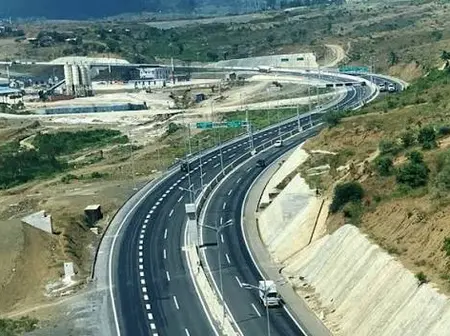
The government plans to expand the existing road to increase its capacity and improve transport along the corridor.
According to the National Treasury, the revised financing arrangement is intended to attract private investment while reducing the government's long-term financial commitments.
The proposed user-pay model would require motorists to contribute towards the cost of using the improved infrastructure.
National Infrastructure Fund Chief Executive Officer James Mworia announced the suggested toll rates on November 24, 2026.
The proposed rates do not yet provide a complete picture of what motorists will eventually pay.
The government still needs to clarify the charges for different vehicle categories, the treatment of shorter journeys and the available payment methods.
Details about the project's construction timetable and implementation arrangements are also important.
Until these matters are confirmed, motorists should not treat the suggested rates as existing charges on the Nairobi-Mombasa highway.
For transport companies, the main consideration will be whether improved road conditions can reduce operating expenses enough to offset toll payments.
Private motorists will also need to consider whether the improved journey offers sufficient value to justify the additional cost.
The government will therefore need to demonstrate that the expanded highway provides meaningful improvements in road capacity, travel reliability and transport efficiency.
Ultimately, the success of the proposed toll system will depend not only on how the highway is financed, but also on whether the benefits justify what road users are asked to pay.
Leave a Reply