The Kenya National Chamber of Commerce and Industry (KNCCI) has raised concerns over proposed horticulture regulations, warning that additional compliance costs and changes to export levies could affect businesses, farmers and Kenya’s competitiveness in international markets.
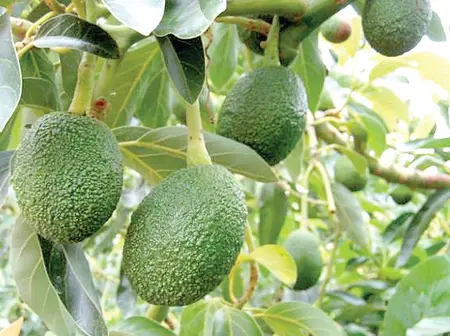
In a statement issued on Friday, November 27, 2026, the Chamber called for clarity on proposed changes to the regulatory framework, particularly the treatment of processed horticultural products and avocado crude oil.
KNCCI noted that the proposed regulations retain a 0.25 per cent export levy rate already contained in the 2020 regulations but appear to change the scope of products subject to the levy.
“The draft expressly includes avocado crude oil and does not reproduce the earlier levy provision’s express exclusions for specified processed products and produce delivered for processing,” the Chamber stated.
It called for clarification on how value-added products would be treated before the proposals are finalised, warning that uncertainty could affect investment decisions across the horticulture value chain.
Beyond the export levy, the Chamber warned that registration, licensing, inspection and traceability requirements could increase the cost of doing business for horticultural exporters and processors.
It said smaller businesses could face pressure on their working capital and profit margins, potentially limiting the participation of micro, small and medium-sized enterprises (MSMEs) in the sector.
Exporters could also struggle to absorb additional expenses where they have limited ability to pass higher costs to overseas buyers.
This could leave businesses with less money to pay farmers supplying their produce.
“The business impact extends beyond a single levy,” KNCCI stated, calling for affordable and transparent fees, coordinated inspections between national and county governments, and reasonable transition periods.
The Chamber also wants regulatory fees to be justified by the services provided, rather than creating additional financial pressure on businesses.
KNCCI further questioned a proposed condition requiring processors to source raw materials from their own farms when seeking processing approvals.
According to the Chamber, the requirement could disadvantage businesses that depend entirely on independent farmers for their raw materials.
It argued that reliable contractual supply arrangements should also be recognised to ensure that regulations do not discourage investment in processing and value addition.
The Chamber said the rules should support businesses that work with smallholder farmers rather than favouring processors that own agricultural land.
The proposed enforcement measures also attracted criticism, with KNCCI calling for proportionate penalties and fair review procedures.
It argued that administrative errors should be treated differently from fraud and serious food safety violations.
The Chamber also wants clear deadlines for levy payments, accessible appeals procedures and public reporting on how money collected from the industry is spent.
It specifically called for a review of steep interest provisions imposed on late payments, although it acknowledged that similar provisions also appear in the existing 2020 regulatory framework.
“Levy proceeds should deliver measurable improvements in inspection services, market development and sector support,” KNCCI stated.
Despite its concerns, KNCCI maintained that food safety, quality standards and effective traceability are necessary to protect Kenya’s access to international markets.
However, it called on regulators to recognise equivalent traceability systems already approved by the Agriculture and Food Authority (AFA) to avoid forcing businesses to duplicate existing reporting requirements.
The Chamber also wants smaller operators to receive practical support when adopting additional compliance requirements.
On pricing, it argued that recommendations should consider the type of crop, quality and prevailing market conditions while ensuring farmers receive fair returns.
KNCCI said it had prepared evidence-based recommendations for the formal consultation process, drawing on the draft regulations, the Regulatory Impact Statement, existing rules and feedback from its members.
The Chamber urged regulators to consider the concerns raised by businesses before finalising the proposals, maintaining that horticulture regulations should protect food safety and market access without undermining investment, employment and competitiveness.
Leave a Reply