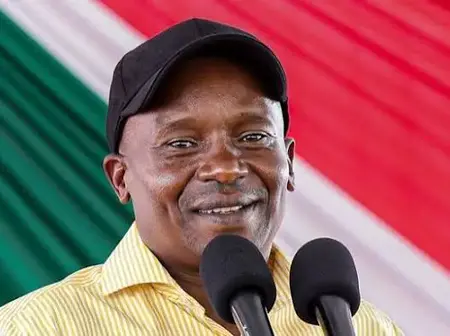
This endorsement highlights a deliberate shift in how the executive branch manages its public image and internal coordination. Unlike past deputies who often positioned themselves as rival power centres, Kindiki has embraced a low-key, policy-driven role that prioritises administrative execution over weekend political rallies.
Political observers note that by stepping back from aggressive political posturing, the Deputy President has helped steady friction at the top of the administration. His regular working sessions with Cabinet Secretaries and Principal Secretaries have turned State House forums into structured policy briefings rather than purely partisan gatherings.
Behind closed doors, this technocratic style alters the dynamics among ambitious leaders eyeing the 2027 succession matrix. Insiders familiar with Kenya Kwanza’s internal strategy suggest that Kindiki’s non-confrontational posture makes him harder for regional rivals to attack, while strengthening his standing with the Head of State.
At the same time, vocal allies from Mount Kenya, including Chege, are using his track record to counter narratives that the region has lost influence in government. By framing his contribution around measurable project delivery, pro-government lawmakers hope to shift public debate away from personality clashes.
For the ordinary citizen, the real test of these State House engagements lies in whether policy explanations translate into tangible relief at the grassroots. When grassroots delegations, farmers, and traders visit the seat of power, they expect clear answers on agricultural subsidies, healthcare reforms, and the high cost of living.
Citizens across the country have repeatedly emphasised that smooth boardroom coordination only matters if it speeds up stalled roads, water projects, and affordable credit. While opening State House doors to ordinary groups signals accessibility, taxpayers remain keen to see concrete economic results rather than endless delegations.
Looking ahead, the administration faces mounting pressure to turn these policy briefings into verifiable milestones before the 2027 campaign season officially kicks off. With opposition figures sharpening their criticism of state spending and unfulfilled pledges, Kindiki’s ability to coordinate ministries will face intense public scrutiny.
As the political temperature steadily rises ahead of the next general election, the debate over leadership styles is taking centre stage. Do you think Kindiki’s quiet, policy-focused approach is what Kenya needs right now, or should a Deputy President be more politically vocal?
Leave a Reply