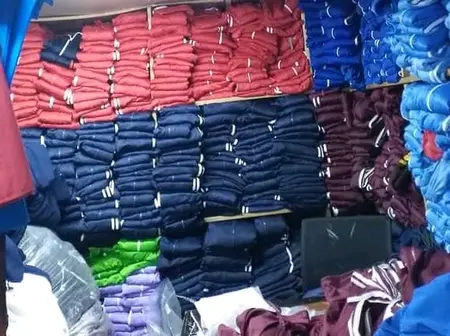
A new proposal targeting the cost of school uniforms could bring significant relief to Kenyan parents struggling to meet their children's education expenses. The recommendation seeks to introduce standardised school uniforms across learning institutions, potentially changing how schools prescribe clothing and how parents purchase it.
The proposal emerged from discussions on education reforms during the National Education Conference in Naivasha. It aims to address the financial burden associated with purchasing school uniforms, particularly for families with several children attending different schools.
Currently, many schools prescribe unique uniform designs, colours and styles. This arrangement sometimes forces parents to purchase uniforms from specific suppliers, limiting their options and increasing costs.
Under the proposed changes, learners across different schools could wear standardised uniforms, with individual institutions maintaining their identities through school badges and other distinctive insignia.
The recommendation is intended to promote equality among learners while reducing unnecessary differences in uniform costs. It could also make it easier for parents to purchase replacement uniforms without being restricted to particular suppliers.
Another key proposal involves regulating the prices of school uniforms to protect parents from excessive charges. The government would seek ways to ensure that schools and suppliers do not impose unreasonable costs on families.
However, the proposal has attracted opposition from some school administrators. The Kenya Secondary School Heads Association (KESSHA) has raised concerns that standardising uniforms could undermine the identity, heritage and traditions of individual institutions.
School heads argue that uniforms are an important part of institutional culture and help learners develop a sense of belonging. They also believe distinctive designs make it easier to identify students, particularly when disciplinary issues arise outside school compounds.
The association has further questioned whether a common uniform would accommodate the different climatic conditions across the country. Schools in colder regions require heavier clothing than those located in warmer areas, making a completely uniform approach difficult to implement.
Instead of introducing identical uniforms, school administrators have advocated for measures that would make existing designs more affordable while allowing institutions to retain their identities.
The debate comes amid wider government efforts to address the financial challenges facing parents under the basic education system.
Education Cabinet Secretary Julius Migos Ogamba has previously indicated that the government was considering amendments to the Basic Education Act to prevent schools from forcing parents to purchase uniforms from specific suppliers.
The proposed legal changes are intended to give parents greater freedom to buy uniforms from the open market, provided they meet the requirements established by individual schools.
Nyeri Town MP Duncan Mathenge has also pushed for measures to protect learners from discriminatory practices that prevent them from accessing education because their parents cannot afford certain school requirements.
His proposal seeks to ensure that learners are not denied access to education because of their families' financial circumstances.
Despite the growing debate, the proposal to standardise school uniforms should not be confused with a confirmed government programme to distribute free uniforms to all learners. The recommendations currently focus on reducing costs, promoting standardisation and giving parents more affordable purchasing options.
The government has yet to announce a nationwide implementation date, meaning parents should continue following existing school requirements until official guidelines are issued.
If adopted, the proposed reforms could significantly change the school uniform system and reduce some of the financial pressure experienced by Kenyan households. However, the final decision will depend on consultations between the government, school administrators and other education stakeholders.
Source
Leave a Reply