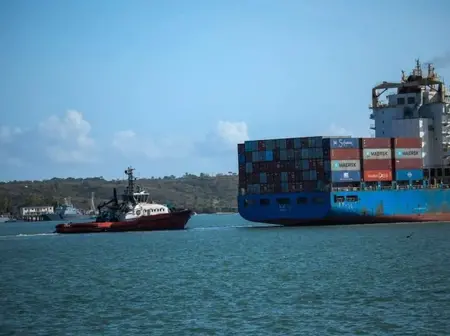
Kenya spent Ksh344.2 billion on imports in September 2026 but earned only Ksh129.2 billion from exports. This left a trade deficit of Ksh214.9 billion.
The Kenya National Bureau of Statistics says the deficit widened sharply from Ksh166.7 billion in August. That is a monthly increase of Ksh48.2 billion.
Exports rose from Ksh118 billion to Ksh129.2 billion. Imports jumped from Ksh284.8 billion to Ksh344.2 billion. In simple terms Kenya is spending faster than it is earning from abroad.
China was the largest source of imports at Ksh113.2 billion. That was a rise of 35.9 per cent from August. India followed with Ksh51.8 billion while the United States accounted for Ksh21.9 billion.
Industrial supplies made up 40 per cent of all imports. Fuel and lubricants accounted for 22 per cent. Machinery and capital equipment took 13.6 per cent while transport equipment took 9.8 per cent.
Many of these goods are inputs used by factories and farms and transport firms. Replacing them locally would need heavy investment and reliable production and competitive prices.
On exports the United States was the top buyer at Ksh27.9 billion. Uganda followed with Ksh13.2 billion and Pakistan with Ksh6.4 billion.
Food and beverages made up 36 per cent of domestic exports. Machinery and capital equipment accounted for 22.9 per cent while non-food industrial supplies made up 18.2 per cent.
A persistent trade gap raises the need for foreign currency to pay for imports. It does not on its own mean the shilling will weaken. However it shows why export growth and strong local industries matter.
For households the issue goes beyond statistics. Imported fuel and goods affect business costs and the prices Kenyans pay every day. The gap still remains very wide.
https://x.com/peopledailyke/status/2124485918937821601?a=OTcWTmT_q0FZq1gxziM&s=46
Leave a Reply