Kenya has one of the cleanest electricity grids on the planet. Yet for many households and small businesses, the monthly bill still stings. That gap between a green grid and an affordable one is now the central question in Kenya's energy sector.
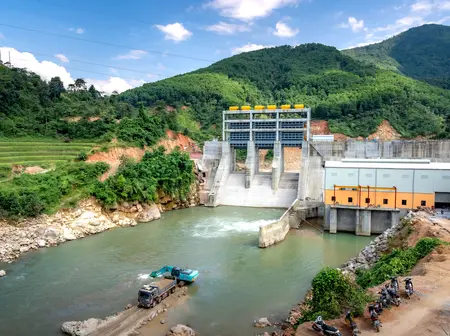
The clean-power credentials are real. Geothermal contributed 40.91 percent of Kenya's electricity in the year ended June 2026, making it the country's largest source of power. Hydropower came second at 22.65 percent, followed by wind at 12.31 percent. Overall, about 93% of the country's electricity comes from renewable sources. The roots go back decades: Olkaria I, commissioned in 1981, made Kenya the first African country to generate geothermal electricity.
The latest growth came from new capacity in Nakuru County. EPRA attributed the rise in geothermal output to additions at Menengai, along with higher night-time demand that allowed plants to run harder and vent less steam. The ambition is bigger still. Kenya aims for a fully renewable electricity system by 2030. KenGen has more than tripled its long-term renewable development target, from 1,500MW to 5,500MW. That pipeline includes expanded geothermal, over 700MW of hydropower and a planned 2,000MW nuclear programme.
But the story has some cracks. A recent study found that Kenya's emissions have risen despite its clean-energy growth. Thermal generation jumped by 24.27 per cent as diesel and heavy fuel oil plants were used to meet rising demand. That sits awkwardly next to the country's pledge to cut greenhouse gas emissions by 35 per cent by 2035. Clean power on paper still needs reliable supply to back it up.
Then there is the cost. Energy experts argue Kenya needs to focus less on building new generation and more on making electricity cheaper. Generation is only one part of what consumers pay. Financing costs, transmission and distribution losses, taxes and foreign exchange movements all land on the final bill. Power purchase agreements are also under fresh scrutiny. Independent power producers supply about 40% of total capacity under long-term contracts signed after the sector was liberalised in the late 1990s.
Industry voices agree on where the test lies. Cynthia Angweya-Muhati of the Kenya Renewable Energy Association says the real measure will be whether new clean generation comes with reforms that lower costs for consumers. That means predictable investment policy, fair contracts and a leaner grid.
Kenya has done the hard part of proving that an African country can run on renewables. The next chapter is less about megawatts and more about fairness: making sure the people living beside the power lines can actually afford the power. If Kenya gets that right, it won't just be Africa's clean-energy leader. It will be its blueprint.
Leave a Reply