The initiative is aimed at addressing the high cost of maintaining diplomatic facilities in foreign countries, with the government currently spending approximately Sh3 billion annually on rent for embassies, high commissions and other diplomatic properties.
Under the proposed arrangement, the government intends to work with private investors through the Public-Private Partnership (PPP) model to construct, rehabilitate and maintain diplomatic facilities in selected countries.
The first phase of the programme will cover six African countries: Egypt, Zambia, Zimbabwe, Burundi, South Sudan and the Democratic Republic of Congo, where Kenya operates diplomatic missions in Cairo, Lusaka, Harare, Bujumbura, Juba and Kinshasa.
Rock Investment Bank and its consortium partners have been engaged as transaction advisers to help structure the projects and prepare the properties for implementation under the PPP framework.
The proposed developments will include modern embassy office buildings, consular facilities, ambassadors' residences and staff housing units. Some locations will also incorporate commercial spaces that can generate additional revenue to support the maintenance of the properties.
Under the PPP arrangement, private investors are expected to finance and undertake the construction or rehabilitation works before managing the facilities over an agreed concession period. The properties will eventually be handed back to the Kenyan government in accordance with the terms of the agreements.
Foreign Affairs officials have previously raised concerns over the financial burden associated with leasing diplomatic properties, noting that rental payments consume a significant portion of the ministry's recurrent expenditure.
In March 2026, Foreign Affairs Principal Secretary Korir Sing'Oei revealed that Kenya spends more than Sh3 billion annually on renting diplomatic facilities across the world. He also observed that some government-owned properties remain underutilised despite the country continuing to pay substantial amounts for rented premises.
The government believes that shifting towards property ownership will help reduce recurring expenditure while strengthening Kenya's diplomatic presence internationally.
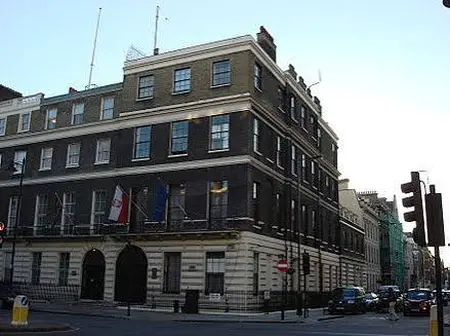
The proposed programme also comes amid ongoing efforts to renovate and acquire government-owned diplomatic properties. Recent investments have included the acquisition of Kenya's chancery in London and refurbishment projects in several other countries.
However, the process has not been without financial challenges. Reports indicate that some overseas property projects have experienced delays, while others require additional funding to reach completion.
According to figures published by the State Department for Foreign Affairs, the government had spent approximately Sh5.5 billion on overseas diplomatic property projects by June 2026, against an estimated total project cost of Sh9.34 billion.
Beyond reducing rental expenses, the new approach is expected to improve the working environment for Kenyan diplomats and strengthen the delivery of consular services to citizens living and working abroad.
For Kenyans in the diaspora, improved diplomatic facilities could also support access to essential services, including passport processing, document authentication and assistance during emergencies.
If implemented effectively, the programme could help Kenya reduce its long-term diplomatic operating costs while building a portfolio of overseas properties that remain government assets.
Leave a Reply