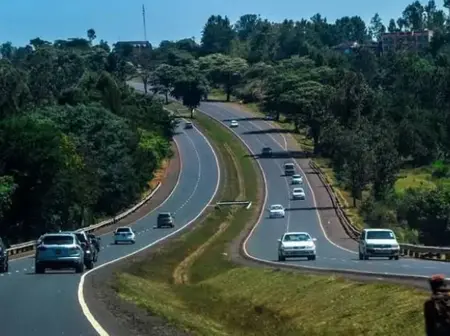
The payments cover three road packages in Kajiado, Central, Eastern and Western Kenya, with private developers financing construction before recovering their money through long-term government instalments.
The largest share went to Lot 33 in Kajiado, where INTEX RAF Limited received Sh23 billion for a 95-kilometre network covering Ngong–Kiserian–Isinya and Kajiado–Imaroro roads.
Mota-Engil Africa received Sh9.03 billion for Lot 15, covering 44.7 kilometres across Nyeri, Kirinyaga, Murang’a, Embu, Tharaka Nithi and Laikipia counties. The company also received Sh6.15 billion for Lot 18, connecting Kakamega, Vihiga, Bungoma and Busia.
The 12 roads were constructed at a combined baseline cost of Sh30 billion and opened to motorists in 2020. Under the annuity arrangement, government payments cover construction expenses, financing costs, maintenance and the agreed returns to investors.
The programme allows private firms to build roads without requiring the government to pay the full construction cost upfront. Instead, the state repays the developers through scheduled payments over a 10-year period, using resources including the Road Maintenance Levy Fund and exchequer allocations.
Kenya is increasingly turning to toll-based road financing as pressure on public finances grows. Under this model, motorists pay directly to use the infrastructure, allowing private investors to recover their costs through toll collections.
The Nairobi Expressway, which cost Sh87.9 billion, is one example. The 27.1-kilometre highway connecting Mlolongo to Westlands through JKIA has been operational since 2022, with motorists paying between Sh170 and Sh500 depending on their vehicles and the distance travelled.
The shift towards private financing is helping Kenya undertake major road projects despite limited public funds, but the repayment arrangements also create long-term financial obligations, while toll-based projects place the cost directly on motorists using the roads.
Source
Leave a Reply