The proposed reforms are based on the UN World Forum for Harmonisation of Vehicle Regulations (WP.29), an international framework that establishes standards for vehicle design, production, safety testing, emissions and roadworthiness.
In a public notice issued on Tuesday, November 3, the ministry invited members of the public, professional organisations, institutions and other interested parties to submit their views on Kenya's planned accession to the international regulatory framework.
If adopted, the standards could subject imported vehicles and their components to stricter technical requirements covering safety, construction quality, emissions and type approval. Vehicles would also be required to meet applicable standards during inspections to ensure they remain roadworthy.
The government also intends to extend the requirements to locally assembled vehicles and automotive components to improve manufacturing quality and enable Kenyan products to compete in international markets.
Local vehicle assemblers and spare parts manufacturers would be expected to align their production methods, testing procedures and quality-control systems with the applicable UN requirements.
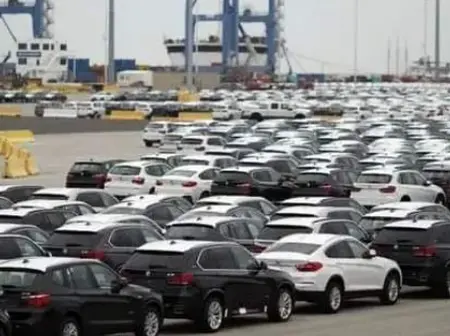
The proposed changes come amid continued reliance on imported vehicles and automotive components. According to a government assessment, Kenya imported vehicles valued at Ksh131.6 billion in 2025, alongside spare parts and related accessories worth approximately Ksh18.4 billion.
During the same period, local assembly plants produced 13,692 vehicles, operating at approximately 30 per cent of their installed capacity.
The ministry believes adopting the international standards could attract investment, create employment opportunities and strengthen the country's automotive manufacturing sector. It also expects the framework to improve road safety, promote energy efficiency and reduce pollution from motor vehicles.
Kenyans and other interested stakeholders have until Monday, November 30, to submit their recommendations through the ministry's official website, email or physical delivery to the State Department for Roads. Stakeholder consultations will also be conducted through physical and virtual meetings.
Source: https://www.facebook.com/share/1LtRJAUiC8/
Leave a Reply