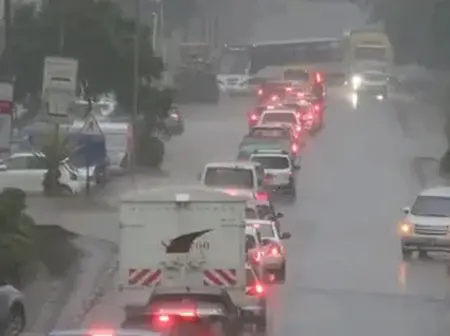
Weather officials stated that El Nino is a global climate pattern caused by the warming of ocean waters in the central and eastern Pacific Ocean. While this warming alters wind movements and global weather systems, it does not automatically mean that it will rain heavily everywhere or every single day in Kenya.
Many Kenyans have been asking where the much-anticipated rains are during the ongoing October to December short-rains season. Some regions have experienced dry spells and sunny days, leading to confusion among farmers and residents who expected non-stop storms.
Kenya Met explained that local rainfall distribution depends on how different climate drivers interact across the Indian Ocean and the East African region. Factors such as tropical storms and regional wind currents can either bring moisture into the country or pull rain-bearing clouds away.
Residents in counties such as Nairobi, Nakuru, Kisumu, and Mombasa have been urged to pay close attention to weekly and daily weather updates. Relying on general assumptions about El Nino can mislead farmers who are planning when to plant crops or harvest rainwater.
The department further advised county governments and disaster management teams to keep monitoring official advisories rather than waiting for continuous storms. Even during an El Nino season, some areas may record normal rainfall while others experience brief, intense showers that cause localised flooding.
Understanding how weather patterns work helps citizens prepare better for both dry spells and sudden downpours during the rainy season. Have the rains started in your county yet, or are you still experiencing dry weather?
Leave a Reply