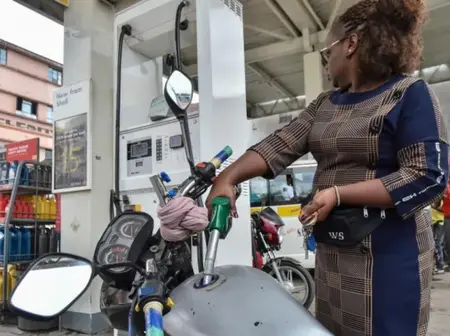
The cost of fuel in Kenya is influenced by more than the price of oil at international refineries, with shipping, insurance and port charges also factored into the final pump prices.
Energy and Petroleum Regulatory Authority (EPRA) Director General Edward Kinyua says rising geopolitical tensions along major international shipping routes have made war-risk insurance an increasingly significant component of petroleum import costs.
Speaking to editors in Mombasa on Friday, Kinyua explained that the regulator considers several expenses along the petroleum supply chain, from the cost of purchasing fuel from international suppliers to its transportation and handling at the Port of Mombasa.
He said EPRA's pricing framework seeks to balance consumer protection with the interests of investors and other stakeholders, including the government.
"One of our key tenets in the Energy Act is protection of the consumers. It's also protection of the investors and other stakeholders. Other stakeholders may include government. So we have a tariff methodology," Kinyua said.
For petroleum products, the pricing calculation includes the free-on-board (FOB) cost, which is the price paid to the refinery, alongside shipping and insurance expenses.
Kinyua singled out war-risk insurance as a growing concern for ship owners transporting petroleum products through areas affected by piracy, conflict and geopolitical tensions.
He cited insecurity along the Indian Ocean shipping corridor, where piracy threats have previously forced ship owners to seek additional protection for their vessels.
"War risk is something very important. Apart from the normal insurance, we need you to put something called war risk," he said.
The EPRA chief said the situation had become particularly significant around the Strait of Hormuz, a strategic shipping passage through which a substantial share of the world's oil supplies moves.
He explained that the risk of vessels being caught up in conflict had pushed up the cost of insuring ships travelling through the region.
"War risk went like ten or a hundred times higher than the normal. Because there is no ship owner who would put a vessel on the Strait of Hormuz without knowing that that vessel, whether it will survive or not. So they will tell you, I'll give you the vessel, but you'll have to pay this much, a hundred times more in terms of war risk insurance," Kinyua said.
He added that these additional expenses form part of the costs that eventually feed into the price of petroleum products imported into Kenya.
Once the products arrive at the Port of Mombasa, importers also incur port handling charges before the fuel is distributed to other parts of the country.
Kinyua compared the process to importing a motor vehicle, where the final cost includes the purchase price, insurance and freight, rather than the vehicle's original price alone.
The explanation comes amid continued scrutiny of domestic fuel prices, with motorists often comparing local pump prices against movements in international crude oil markets.
Leave a Reply