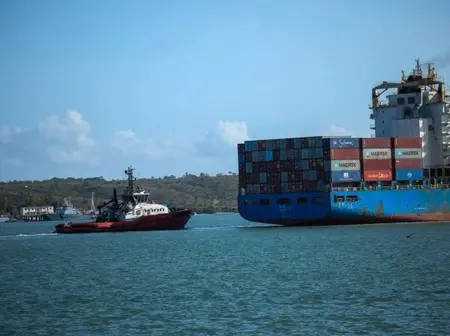
The resulting Ksh215 billion monthly trade deficit underscores the country's heavy reliance on external supply chains for essential commodities, industrial raw materials, and machinery, outpacing foreign exchange earnings derived from local production.
According to the KNBS Leading Economic Indicators report, the primary drivers of the elevated import bill included refined petroleum products, heavy industrial machinery, electronics, and agricultural inputs such as chemical fertilizers and wheat.
In contrast, domestic export performance remained anchored by traditional agricultural products—primarily tea, horticulture, coffee, and titanium ores—which continue to face price volatility in international markets.
While foreign sales of agricultural produce showed modest volume increases, low value-addition and limited manufacturing export capacity prevented total revenue from keeping pace with expanding import expenditures.
Economic analysts and trade policy experts warn that a widening monthly trade gap places continuous pressure on Kenya's foreign exchange reserves and the valuation of the Kenya Shilling.
To narrow the chronic trade deficit, financial advisers and industry groups are urging the national government to accelerate local industrialization programs, enhance agricultural processing to capture higher global value, and expand clean energy infrastructure to reduce foreign fuel reliance.
Without structural reforms aimed at substituting key imports with domestic capacity, Kenya risks remaining vulnerable to global price shocks and sustained currency depreciation.
What are your thoughts about this article? Share your reactions in the comment section and don't forget to share and follow for more updates./
https://peopledaily.digital/business/kenya-spent-ksh344b-on-imports-in-one-month-but-exported-just-ksh129b-knbs
Leave a Reply