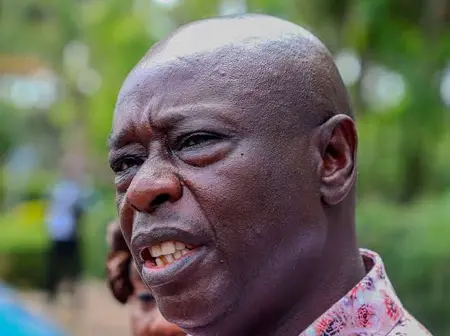
In a post shared on X, the journalist appeared to remind Kenyans that the concerns being raised today about election results were not new, arguing that the same system had existed for years without attracting similar objections from some of the people now demanding changes.
Onsarigo wrote: “For fifteen years this thing never made sense but you all supported it… ran results across our TV screens different from those coming from the constituency level! Suddenly we don’t want it?”
His remarks appeared to challenge politicians who have recently questioned the credibility of the election results transmission process.
By bringing up the history of the system, Onsarigo shifted attention to the question of why concerns are becoming louder now.
The debate has become even more interesting following the opposition's dramatic walkout from an IEBC consultative meeting in Nairobi on November 19, 2026.
The meeting was attended by opposition leaders, including former Deputy President Rigathi Gachagua, Kalonzo Musyoka and Nairobi Senator Edwin Sifuna.
They walked out after disagreeing with the agenda presented by IEBC Chairperson Erastus Ethekon, arguing that important electoral reforms had been ignored.
Among the issues raised by the opposition were demands for a clean voters' register, changes to the presidential results transmission system, electronic voting for Kenyans living abroad and livestreaming of voting, counting and announcement of results.
The leaders also proposed involving a team led by former Chief Justice David Maraga in discussions with the commission.
However, IEBC Chairperson Erastus Ethekon regretted their decision to leave, arguing that they had missed an opportunity to hear the commission's preparations and engage in meaningful discussions.
His remarks about constituency-level transmission have revived questions about the difference between results announced at constituency tallying centres and figures displayed on television screens.
For Onsarigo, the central question appears to be why politicians who previously accepted the arrangement are now demanding a different approach.
As the country moves closer to the 2027 General Election, the debate over transparency, accountability and public confidence in the electoral process is likely to attract even more attention.
https://x.com/Donsarigo/status/2123759413974483407?a=qRu2NgEOLoxfPN2v4mQ&s=19
Leave a Reply