Category: Economy&Finance

  • Boma Yangu Houses: Can a Kenyan Earning Little Really Afford the Monthly Payments?

    Boma Yangu Houses: Can a Kenyan Earning Little Really Afford the Monthly Payments?

    Have you ever wondered whether ordinary Kenyans can comfortably afford the houses being offered under the government's affordable housing programme?

    The idea sounds attractive. After all, owning a decent home is a dream shared by many families. However, the figures involved raise an important question about who can realistically benefit from the programme.

    Under the Boma Yangu affordable housing programme, a one-bedroom unit is advertised at approximately KSh 960,000. A buyer is expected to make a 5 per cent deposit of KSh 48,000, followed by monthly payments of about KSh 5,200.

    At first glance, these figures may appear manageable. But the reality is different for many low-income households struggling to meet their daily needs.

    Consider Otieno, a Kenyan living in a small mabati house where he pays KSh 2,000 in monthly rent. Unfortunately, he has fallen three months behind on his rent.

    For someone in Otieno's situation, finding KSh 48,000 for a deposit is already a major challenge. Paying KSh 5,200 every month could be even more difficult, especially when food, school fees, transport and other basic expenses compete for the same limited income.

    This is where the debate about affordable housing becomes important.

    The programme is not necessarily designed exclusively for the poorest households. However, its success should also be measured by whether low-income earners can access the homes without facing financial difficulties.

    A house may be affordable on paper but remain out of reach for someone whose income barely covers basic necessities.

    The government has a difficult question to answer: how can ordinary Kenyans, especially those earning little or working in the informal sector, benefit from this housing programme?

    After all, affordable housing should not only offer attractive prices. It should also reflect the financial realities of the people it is meant to serve.

    Source:

    https://www.bomayangu.go.ke/?utm_source=chatgpt.com

    By Suzzy Owiti
  • JUST IN; KPLC Issues Lats Night Announcement,Reveals Areas To Experience Blackout Tomorrow For 10Hrs

    JUST IN; KPLC Issues Lats Night Announcement,Reveals Areas To Experience Blackout Tomorrow For 10Hrs

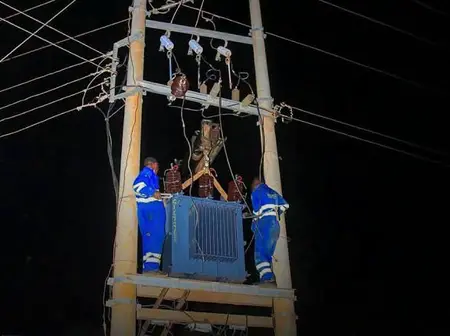
    Kenya Power has announced planned electricity interruptions in several parts of the country on Tuesday, November 24, 2026, as technicians have scheduled maintenance works expected to affect customers for several hours.

    The utility company has issued a notice informing residents and businesses in the affected areas to prepare for temporary outages, with some locations expected to remain without electricity for up to 10 hours as crews carry out maintenance.

    According to the announcement, the interruptions have affected selected areas across Nairobi, Kiambu, Garissa, Kwale and Mombasa counties, with different locations scheduled to experience outages at varying times.

    In Nairobi, customers around Garrison and parts of Utawala have been scheduled for an interruption from 8am to 6pm.

    The affected areas have included Garrison, Simba Villa, GSU, Astrol Petrol Station, Quickmart, APTC, GSU Training, Dipole, Naivas Utawala, Muthokinju and MK Apartments, alongside neighbouring customers.

    Parts of Parklands have also been scheduled for maintenance between 9am and 5pm. The interruption has covered sections of Mithithi, Westlands Road, Chiromo Road, Mpaka Road, ABC Bank and nearby customers.

    Residents in parts of Kahawa have similarly been notified of an outage running from 9am to 5pm, affecting Fountain Junior, KiU Police, Booster Area, Kwangete, Kimbo, sections of Githurai 45, Kiuu, New Kahawa and Sukari 7.

    The maintenance programme has extended beyond Nairobi, with customers in parts of Kiambu County also expected to experience interruptions.

    In Kiambu, Ondiri, Muguga Complex and Kamangu have been listed for maintenance from 9am to 5pm, including Conix Fact, Ondiri, Rumwe, Muguga Complex, Kanyayo and nearby customers.

    Parts of Garissa County have also been affected, with Modika C.A.K, Quba, Mwangaza and Sumeya scheduled for an outage from 9am to 5pm. The notice has listed Maua Millers, KPLC Yard, Modika C.A.K, Sumeya, Quba, Bulla Hagar and Duale Farm.

    In Kwale, sections of Tiwi and Musufini, including Tiwi water bore holes, have been scheduled for interruption from 9am to 5pm.

    Meanwhile, Mombasa customers around Jamhuri Road, parts of Greenwood Drive and Mama Ngina Drive have been notified of a shorter outage running from 9am to 4pm, affecting Nyali and nearby areas during scheduled maintenance works.

    Link.

    https://x.com/KenyaPower_Care/status/2124903516678332664?s=19

  • Ruto Releases Sh195 Million Bonus to Bungoma Sugarcane Farmers in Sh1.2 Billion Payout

    Ruto Releases Sh195 Million Bonus to Bungoma Sugarcane Farmers in Sh1.2 Billion Payout

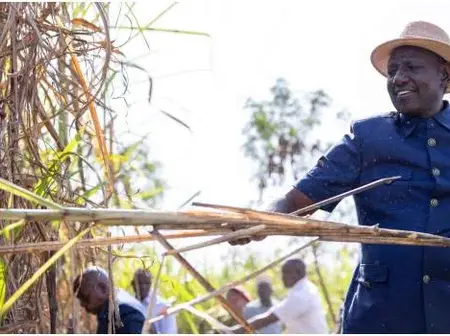
    The payment was announced on Monday, November 23, during the President's visit to Nzoia Sugar Company in Kanduyi, where he praised efforts to revive the struggling sugar miller and improve farmers' earnings.

    Ruto said the bonus was intended to reward farmers for their contribution to the sugar industry and encourage increased cane production to support local manufacturing.

    He maintained that the government was committed to strengthening the sugar sector by addressing challenges that had affected farmers and factories for years.

    The Head of State also praised Rai Group, which manages Nzoia Sugar Company under a leasing arrangement, for improving the factory's operations and restoring its production capacity.

    According to the President, the revival of the miller has created renewed opportunities for farmers who depend on the factory as a market for their sugarcane.

    Nzoia Sugar Managing Director Tejveer Rai said the company had paid farmers KSh1.6 billion this year and invested KSh5.7 billion in modernising the factory.

    He also reported that the company had remitted KSh688 million in taxes and KSh639 million in lease and concession fees.

    Ruto further promised to double bonus payments to Nzoia sugarcane farmers in 2027, urging growers to increase production to sustain the industry's recovery.

    The latest payout forms part of broader government efforts to support sugarcane farmers, improve factory operations and strengthen the country's sugar production.

    Source

  • Tough Times As Ruto’s Government Increases Prices Of Electricity By Shs 4.56 Effective November

    Tough Times As Ruto’s Government Increases Prices Of Electricity By Shs 4.56 Effective November

    Kenyan households and businesses will pay higher electricity bills in November after the Energy and Petroleum Regulatory Authority (EPRA) introduced additional charges amounting to approximately Ksh4.56 per unit of electricity consumed.

    In a Gazette Notice dated November 20, EPRA announced three adjustments affecting electricity consumers during the November billing cycle.

    The charges comprise a Fuel Energy Cost Charge of Ksh3.54 per kilowatt-hour, a Foreign Exchange Fluctuation Adjustment of Ksh1.0031 and a Water Resource Management Authority (WRMA) levy of Ksh0.013606 per unit. Combined, the adjustments translate to Ksh4.5567 per kilowatt-hour.

    EPRA explained that the fuel charge covers expenses incurred in generating electricity using thermal power plants, particularly those relying on diesel. The foreign exchange adjustment accounts for currency-related gains and losses affecting electricity sector players, including Kenya Power, KenGen and independent power producers.

    The regulator also reported that electricity sector players recorded foreign exchange gains of approximately Ksh1.16 billion in October.

    Meanwhile, the WRMA levy applies to electricity purchased from qualifying hydropower stations with generation capacity of at least one megawatt.

    The latest increase comes amid growing public complaints over expensive electricity, following similar adjustments of Ksh4.10 in October, Ksh4.16 in September and Ksh4.70 in August.

    Link

    https://www.facebook.com/share/p/19nfBb3sKv/

  • Ruto Praises Rai Group for Reviving Nzoia Sugar, Announces Sh195 Million Farmers’ Bonus

    Ruto Praises Rai Group for Reviving Nzoia Sugar, Announces Sh195 Million Farmers’ Bonus

    Speaking on Monday, November 23, at the factory in Kanduyi, Bungoma County, the President described the company's recovery as a major milestone after years of operational challenges.

    Ruto said the factory was almost collapsing three years ago but had since undergone significant improvements under the management of Rai Group.

    He credited the investor with introducing efficiency in factory operations, improving sugar production and ensuring farmers receive payments for their cane deliveries within a week.

    During the visit, the President issued bonus cheques worth Sh195 million to farmers supplying sugarcane to Nzoia Sugar Company.

    The payment forms part of a Sh1.2 billion bonus package targeting farmers supplying public sugar factories across the country.

    Nzoia Sugar Managing Director Tejveer Rai revealed that the company had paid farmers Sh1.6 billion this year, while investing Sh5.7 billion in modernising the factory.

    He also disclosed that the company had remitted Sh688 million in taxes and Sh639 million in lease and concession fees.

    Ruto maintained that Nzoia Sugar Company remains the property of the people of Bungoma despite the leasing arrangement with the private investor.

    He further promised to double the bonus payments to Nzoia sugarcane farmers in 2027, urging them to increase production to support the industry's recovery.

    The President said the government would continue implementing reforms aimed at strengthening local sugar production and reducing reliance on imported sugar.

    Source

  • How Kenyans Can Convert Safaricom Airtime into M-Pesa Cash in 2026

    How Kenyans Can Convert Safaricom Airtime into M-Pesa Cash in 2026

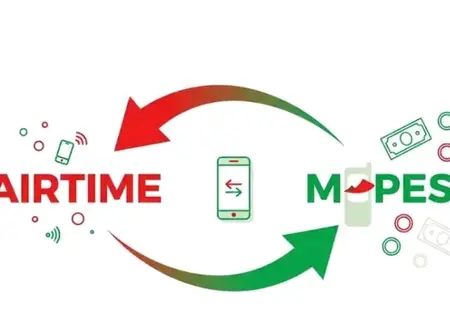
    According to a report published by K24 Digital, one of the platforms offering the service is DBS Kenya, which allows customers to initiate conversion requests through its website.

    The service could benefit Kenyans who receive airtime as gifts, win it through competitions, receive it from employers or accidentally purchase more than they need. However, customers should understand that Safaricom does not provide a direct service for converting airtime into M-Pesa cash.

    Instead, independent platforms handle the exchange and pay customers after verifying the airtime transfer.

    To begin the process, customers need a mobile phone, an internet connection and eligible Safaricom airtime.

    First, visit the DBS Kenya website at https://dbskenya.com/ using a mobile browser. Select the Safaricom Airtime to M-Pesa conversion option and choose the appropriate airtime category.

    Next, enter the amount of airtime you want to exchange. The platform displays an estimated payment based on its advertised conversion rate.

    According to the DBS Kenya website, the advertised Safaricom airtime payout is 70 per cent. This means KSh1,000 worth of airtime would generate approximately KSh700, while KSh5,000 would generate KSh3,500.

    The actual amount should be confirmed on the platform before proceeding because conversion rates can change.

    After entering the amount, provide the Safaricom number holding the airtime and the required M-Pesa details, including the registered name. Check the information carefully before submitting the request.

    Once submitted, the website generates transaction instructions, including a USSD procedure for transferring the airtime.

    Customers should follow the instructions generated for their specific transaction rather than relying on codes shared through unofficial channels. After completing the transfer, return to the website and confirm that the airtime has been sent.

    DBS Kenya says it verifies the transaction before processing the agreed M-Pesa payment. Processing times may vary depending on transaction volumes and operating hours.

    There are also important precautions to consider.

    Customers should only exchange airtime they legally own or have permission to transfer. They should never share their M-Pesa PIN, passwords or other confidential banking details with a conversion service.

    It is also advisable to retain the Safaricom confirmation message and check the platform's current rates and terms before sending any airtime.

    Ultimately, converting airtime into cash comes at a cost, since customers receive less than the original airtime value. Would you exchange KSh1,000 airtime for KSh700, or would you rather keep the airtime?

  • Good News for Sugarcane Farmers as Ruto Announces Double Bonuses in 2027

    Good News for Sugarcane Farmers as Ruto Announces Double Bonuses in 2027

    The announcement is expected to attract attention among farmers, particularly in Western Kenya, where sugarcane farming remains an important source of income for many households.

    Speaking during a recent engagement, Ruto said his administration was committed to improving the livelihoods of sugarcane farmers through interventions aimed at strengthening the sugar industry.

    The President's announcement comes at a time when farmers have continued raising concerns about delayed payments, production costs and the returns they receive from selling their cane to sugar factories.

    For many farmers, bonuses provide an additional financial boost, helping them meet household expenses, pay school fees and invest in agricultural activities.

    Ruto's latest promise could therefore offer renewed optimism to farmers who have been calling for better compensation and improved management of the country's sugar sector.

    The government has previously outlined plans to revive struggling sugar factories, improve cane production and address challenges affecting the industry.

    The proposed double bonuses would also be significant for farmers in counties such as Kakamega, Bungoma, Busia, Vihiga and parts of Nyanza, where sugarcane farming supports thousands of families.

    The announcement has attracted interest on social media, with Kenyans discussing the President's latest message and what it could mean for farmers ahead of the 2027 General Election.

    However, farmers will be keen to understand how the proposed bonuses will be implemented, including the payment arrangements and the institutions expected to oversee the programme.

    If fulfilled, the promise could provide a major financial boost to sugarcane farmers while strengthening the government's efforts to restore confidence in the sugar industry.

    For now, farmers will be watching closely for further details from the government on the proposed payments.

  • Ruto to Flag Off Kenya’s First Crude Oil Exports From Turkana on December 2

    Ruto to Flag Off Kenya’s First Crude Oil Exports From Turkana on December 2

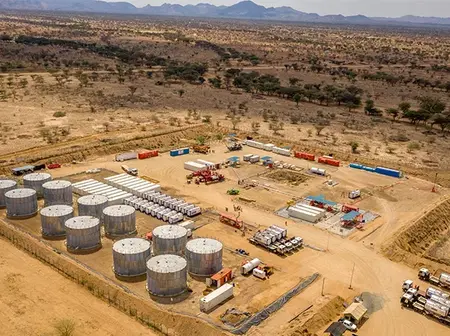
    President William Ruto will lead the flag-off of Kenya's first crude oil exports on December 2. The oil comes from the South Lokichar Basin in Turkana County.

    Petroleum Principal Secretary Harsama Kello confirmed the date on Monday. He spoke to the National Assembly Energy Committee.

    Kello said all arrangements for the first export are now complete. A multi-agency team is finalising plans for production and transport.

    "We intend to have the flag-off scheduled on December 2," he told MPs. The date marks a major step in Kenya's oil journey.

    Trucks will carry the crude from Turkana to Mombasa. Officials will prepare the oil there for export.

    Kenya does not yet have a pipeline to move the oil. Kello told the committee that road transport is the only option for now.

    The flag-off ends years of exploration, appraisal and planning. Kenya has waited a long time to turn its Turkana discovery into income.

    The South Lokichar Basin sits at the heart of the country's oil plans. The government wants to turn the find into a real economic asset.

    Using trucks shows the infrastructure gaps facing the project. No dedicated pipeline links the oilfields to the coast.

    The government has worked out a plan to move the crude to Mombasa. The oil will be stored there before shipment to world markets.

    Kello appeared before the committee to discuss the 2027 Budget Policy Statement. MPs used the session to question how ready the project is.

    Committee members urged the State Department for Petroleum to settle all pending issues. They want the local community's concerns solved before the ceremony.

    The MPs said the government should not rush the historic event. They argued that residents of the oil region must not be left behind.

    The debate shows a delicate balance for the government. Leaders want exports to begin, yet local people expect real benefits.

    Turkana residents have long asked for a fair share of oil earnings. They want jobs, better roads and compensation for land used in oil work.

    The government says the project will grow the economy and create jobs. It also expects Kenya to gain a stronger place in regional energy.

    The December 2 event will show that Kenya is ready to export crude oil. Questions still remain over long-term transport and community demands.

    Preparations are now nearing completion across the agencies involved. The government is working to ensure the first shipment leaves on schedule.

    Source.

  • Exports earnings cross historic Sh1 trillion mark

    Exports earnings cross historic Sh1 trillion mark

    Kenya's earnings from exports have crossed the Sh1 trillion mark for the first time in a January-to-September period, driven by stronger agricultural shipments and a sharp recovery in demand from the United States.

    Total exports rose 19.8 percent to Sh1.008 trillion in the nine months to September from Sh841.84 billion in the corresponding period last year, according provisional trade data published by the Kenya National Bureau of Statistics (KNBS).

  • Is Kenya’s tax regime pushing businesses out of digital payments?

    Is Kenya’s tax regime pushing businesses out of digital payments?

    When Absa Bank Kenya won its long-running tax dispute at the Supreme Court in December 2025, the decision did more than settle a disagreement over card payment fees. It highlighted the importance of precise tax legislation in an economy increasingly dependent on digital transactions.

    The court held that payments made by acquiring banks to international card companies were not royalties, while interchange fees paid to card-issuing banks were not management or professional fees under the Income Tax Act as it then stood. Neither category attracted the disputed withholding tax.