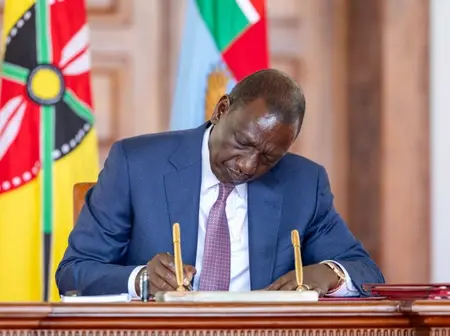
The President assented to the legislation on Thursday, November 26, 2026, during a ceremony held at State House in Nairobi. The new law seeks to make workplaces more supportive of mothers who want to continue breastfeeding after returning to their jobs.
Under the legislation, employers must establish clean, private and secure lactation spaces where mothers can comfortably breastfeed their babies or express breast milk. The facilities are expected to provide a suitable environment where women can attend to their children's needs without unnecessary interruptions.
The law also provides for reasonable breastfeeding breaks during working hours. It further allows mothers to request flexible working arrangements to help them balance their professional responsibilities with caring for their young children.
Another important provision protects women against discrimination because of pregnancy, childbirth, breastfeeding or other maternity-related conditions. This means employers will be required to respect the rights of mothers and avoid treating them unfairly because of their responsibilities after giving birth.
The legislation also extends support beyond workplaces. Owners, tenants and lessees of buildings accessible to the public, with an occupancy capacity of at least 50 people, will be required to provide baby-changing facilities.
The Bill was sponsored by nominated Member of Parliament Sabina Chege, who pushed for stronger protection and better working conditions for breastfeeding mothers.
Following the signing, Ruto announced that he would instruct State House staff to establish dedicated breastfeeding spaces for women working at the presidential residence. He also called for flexible working arrangements to support mothers with young children.
The new law is expected to change how employers organise workplaces and support women returning to work after childbirth.
Leave a Reply