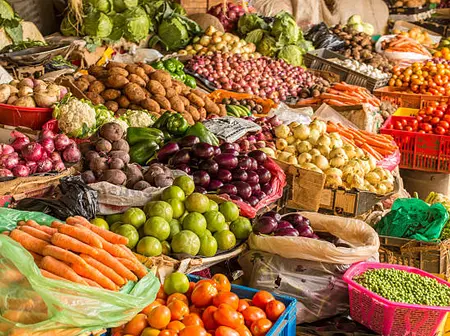
The sudden drop in revenue has raised serious concerns among horticultural stakeholders, exporters, and smallholder farmers, coming after a period of relative market expansion driven by strong international demand for Kenyan avocados, mangoes, and pineapples.
Analysts attribute the contraction to a combination of declining export volumes, heightened logistics costs, stringent international compliance standards, and fluctuating market prices across primary consumer destinations in Europe and the Middle East.
The steep earnings drop underscores lingering structural vulnerabilities across Kenya’s fresh produce supply chain. Exporters have faced ongoing operational headwinds, including air and sea freight bottlenecks, delayed clearing protocols, and stringent maximum residue limit (MRL) enforcement by importing trade blocks.
Furthermore, climate-induced weather unpredictability in key producing hubs across the Mount Kenya and Rift Valley belts affected harvesting schedules and crop quality consistency, directly impacting the overall volume of export-grade produce cleared for international shipping.
As a result, commercial packhouses and local farming cooperatives reported reduced orders, leaving thousands of metric tons of perishable produce stranded in domestic supply channels.
In response to the revenue slump, agricultural regulatory agencies and exporter associations are under pressure to fast-track interventions that protect Kenya’s competitive edge in global markets.
Sector experts argue that stabilizing the industry requires accelerating cold-chain infrastructure investments, streamlining export logistics at major ports of entry, and aggressively diversifying export destinations into emerging premium markets across Asia and the Gulf region.
With horticulture remaining one of Kenya’s principal foreign exchange earners alongside tea and tourism, policy makers must move decisively to resolve trade barriers and restore growth momentum to safeguard rural livelihoods and national economic stability.
What are your thoughts about this article? Share your reactions in the comment section and don't forget to share and follow for more updates.
https://peopledaily.digital/business/kenya-loses-ksh1-7-billion-in-fruit-export-earnings-in-one-month
Leave a Reply