Kenya has launched a five-year food safety strategy estimated to cost KSh760 million, in a move aimed at protecting consumers, improving food standards and strengthening the country's agricultural exports.
The National Codex Strategic Plan 2026–2031 was launched in Nairobi on Wednesday, November 11, by the Kenya Bureau of Standards (KEBS).
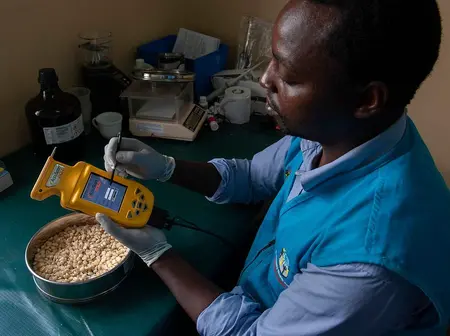
The strategy will guide government agencies, researchers, food producers and businesses in addressing food safety challenges, including aflatoxin contamination in cereals and nuts.
Aflatoxins are toxic substances produced by certain moulds that can grow on crops, particularly when food is poorly dried or stored. Contaminated food can pose serious health risks to consumers.
KEBS Director General Esther Ngari said the plan would strengthen scientific research, improve coordination among institutions and support the adoption of internationally recognised food standards.
The five-year programme is expected to cost approximately KSh760 million. Funding is expected from government allocations, development partners, private-sector contributions and other partnerships.
Kenya has also submitted 58,000 data points on aflatoxins in cereals and cereal-based foods to an international scientific expert committee. The information will contribute to research used in assessing food safety risks and developing standards.
The strategy is built around stronger scientific capacity, better coordination of the National Codex Committee and more sustainable food production practices.
For consumers, stronger food safety systems could improve protection against contaminated products. For farmers and exporters, compliance with recognised standards could help Kenyan produce compete in international markets.
However, the success of the plan will depend on sustained funding, effective inspections and cooperation across the food supply chain.
The government has set 2031 as the target year for achieving the strategy's major objectives.
Leave a Reply