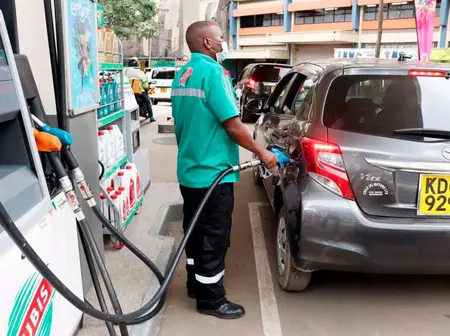
Kenyan motorists are facing another six months under adjusted fuel-quality rules after the government extended the sulphur limit for petrol and diesel. Trade Cabinet Secretary Lee Kinyanjui says the decision is meant to protect the country from possible supply disruptions.
The extension allows imported petrol and diesel to contain up to 50 milligrams of sulphur per kilogram. It applies to the relevant East African standards for automotive gasoline and automotive gas oil.
According to the Ministry of Investments, Trade and Industry, the decision followed a request from the Ministry of Energy and Petroleum. The National Standards Council also recommended extending the temporary arrangement after a technical assessment.
Kinyanjui attributed the move to continued uncertainty in the Middle East and disruptions affecting international petroleum supply chains. The ministry specifically pointed to risks around the Strait of Hormuz, an important route for global oil shipments.
Officials argue that allowing a wider range of fuel sources will help Kenya maintain supplies. They say the measure is temporary and will be reviewed after six months, or earlier if international conditions improve.
However, the extension also puts fuel quality and environmental concerns back in focus. Sulphur in fuel contributes to sulphur dioxide emissions when burned. The pollutant is associated with air pollution and health risks.
The announcement does not mean every litre sold at Kenyan stations contains the maximum permitted sulphur level. It sets an upper limit under the temporary adjustment, rather than describing the actual sulphur content of every consignment.
For ordinary households, reliable fuel supplies matter because transport costs affect fares, food distribution and the prices of many goods. But consumers may also want clear information about how fuel quality will be monitored during the extended period.
The government has presented the decision as a safeguard against shortages, not a permanent change to fuel standards. The six-month review will therefore be important in determining whether the temporary limit remains necessary.
With supply security on one side and air-quality concerns on the other, do you think extending the sulphur limit is a reasonable temporary step for Kenya, or should authorities prioritise stricter fuel standards?
Leave a Reply