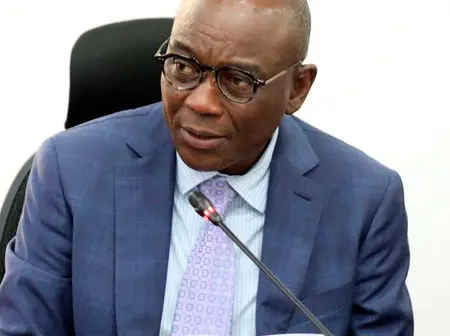
Speaking on Wednesday, November 19, the MP questioned the real numbers behind SHA, saying there is a big difference between those who have registered and those who are actually paying.
"Under SHA, of the 33 million who have been registered, how many are paying? There is a difference between registered members and paying members. Those who are paying are 4.5 million; of those 4.5 million, about 3.5 million are from the formal sector."
According to Omondi, out of 33 million Kenyans said to be registered under SHA, only 4.5 million are actually contributing. And out of those, about 3.5 million are from the formal sector — meaning workers whose contributions are deducted directly from their salaries.
That means millions of Kenyans in the informal sector — mama mbogas, boda boda riders, jua kali workers, small traders — are registered but are not paying.
The MP blamed the situation on high taxation and hard economic times.
"Because of the high taxation and hard economic times, employers have found creative ways of dodging that payment."
His remarks come at a time when many Kenyans have been complaining that SHA is not working for them — that they are registered, they are told to pay, but when they go to hospital, they are told the system is down, or the cover is not enough, or they must pay cash.
For ordinary Kenyans, the question is simple: If only 4.5 million out of 33 million are paying, who is funding the health system? And is SHA really working, or is it just good numbers on paper?
Omondi's statement has now reignited the debate on whether SHA is sustainable, fair, and truly helping the ordinary mwananchi — or whether it is becoming another burden on already overtaxed workers.
https://www.facebook.com/share/p/1C8Wh9ycnG/
Leave a Reply