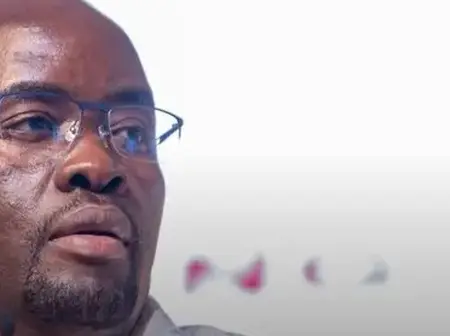
He also emphasised the importance of supporting primary healthcare, saying it serves some of the country's most vulnerable populations and provides access to affordable medical services.
"Primary healthcare also requires support because it serves some of the most vulnerable Kenyans who need access to affordable healthcare," Omollo said.
His remarks highlight continuing discussions about how Kenya can finance universal healthcare while ensuring that low-income households are not excluded because of their inability to make regular contributions.
Kenya's healthcare financing system operates through different funding arrangements, including the Primary Healthcare Fund, the Social Health Insurance Fund and the Emergency, Chronic and Critical Illness Fund.
According to the Ministry of Health, primary healthcare services are fully tax-funded, while the Social Health Insurance Fund relies on contributions from members. The government has also committed to supporting vulnerable households that cannot afford contributions.
The funding question remains important as the country continues implementing universal health coverage reforms.
In an interview published by The Standard in November 2026, Health Cabinet Secretary Aden Duale said the government was sponsoring 590,986 vulnerable households under its main programme, with additional sponsorship commitments involving counties and other partners.
The government has also faced questions about the number of registered SHA members who are actively contributing and the adequacy of funding for healthcare services.
Omollo's proposal adds to the debate on how public resources can protect financially disadvantaged households while strengthening access to essential medical services.
Verification note: The specific remarks attributed to economist Hesbon Omollo have not been independently located in a reputable published report. The policy background is verified, but the quotation should be checked against its original recording or publication before being presented as independently confirmed.
Sources: Ministry of Health, The Standard and official SHA policy documents.
Leave a Reply