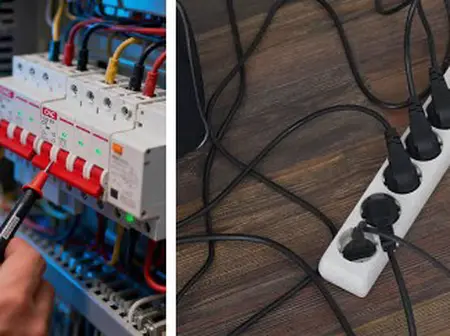
Every time a socket sparks or a circuit breaker trips, most people immediately panic and call a technician often spending thousands of shillings on a problem that takes two minutes to understand.
Whether you are living in a busy apartment in Nairobi or building a home upcountry, knowing the basics of how electricity works in your house does more than just save you money; it keeps your family safe from electrical fires and damaged appliances.
Here are five essential electrical truths that will make you smarter about your home's power today:
1. Why Your Fridge Guard Could Be Lying to You
Many households rely on fridge guards and TV guards to protect expensive electronics from KPLC power surges. However, a guard is only as good as the socket it is plugged into. If your wall socket has a loose neutral wire or poor earthing, the guard cannot safely redirect excess voltage.
The Fix: If your guard keeps clicking off even when the neighborhood power is stable, the issue is likely your internal house wiring, not the grid.
2. The Danger of "Overloading" Extension Cables
Using one multi-plug extension to run a microwave, an electric kettle, and a toaster at the same time is a recipe for disaster. Heating appliances draw massive amounts of current (measured in Amperes).
The Rule of Thumb: Never plug high-heat appliances into cheap extensions. Always plug kettles, irons, and heaters directly into a dedicated wall socket.
3. Why Your Electricity Tokens Disappear Too Fast
Do you feel like your tokens vanish faster than usual? Sometimes it is not a tariff hike—it is phantom load or a hidden earth leakage. Old water heaters with faulty thermostats or worn-out insulation on hidden wires can quietly drain units 24 hours a day.
Quick Check: Turn off every switch and unplug all appliances in your house. Check your meter. If the red impulse light is still blinking rapidly, you have a power leak that needs immediate professional inspection.
4. Understanding the Three Wires (And Why Colors Matter)
If you ever look inside a plug, you will see three wires: Brown (Live), Blue (Neutral), and Green/Yellow (Earth).
The Live wire brings the power in.
The Neutral takes it back out.
The Earth wire is your lifesaver—it sends stray electricity safely into the ground if an appliance faults, preventing you from getting electrocuted when you touch a metal fridge or washing machine.
5. Why "Jua Kali" Shortcuts Cost More in the Long Run
Hiring an unqualified person to do your wiring might seem cheap today, but using undersized cables (like using lighting cables for power sockets) causes wires to overheat inside your walls. Over time, the plastic insulation melts, leading to short circuits and costly re-wiring.
Want to Master Electrical & Electronic Skills Yourself?
Understanding electricity is no longer just for engineers—it is a high-income skill and a vital life safety tool. Whether you want to start a career in electrical installation, learn how to repair everyday electronics, or simply understand how to troubleshoot your own home safely, proper hands-on training makes all the difference.
As an Electrical and Electronic Trainer, I break down complex technical concepts into simple, practical lessons anyone can master—even with zero prior experience.
Ready to learn or need professional guidance on a project?
Drop a comment below with your biggest electrical question, or send a direct message to connect for training sessions, practical workshops, and consultations!
https://kplc.co.ke/news/electricity-safety-awareness
Leave a Reply