According to the legal representatives, the community risks being separated from important facilities that residents depend on for their daily activities and livelihoods.
The lawyers have given the government seven days to intervene and arrange a meeting with the affected community. They have also warned that they may seek court intervention if their concerns are not addressed within the specified period.
The dispute raises questions about how major infrastructure projects can accommodate the needs of people living and working along the roads being upgraded.
For traders and farmers living along the highway corridor, access to markets is essential for conducting business and selling agricultural produce.
Any changes that make it difficult for residents to reach trading centres could affect their ability to earn an income. Farmers may also face challenges transporting their produce to buyers, while small businesses could lose customers if movement between neighbouring areas becomes difficult.
Access to schools and healthcare facilities is another major concern. Residents fear that changes to local routes could make every day journeys longer and complicate access to essential services.
The lawyers argue that the concerns of the affected population should be considered as part of the project's implementation rather than addressed after construction has already disrupted community activities.
They want the government and relevant project authorities to engage residents and identify practical measures that would maintain access to important facilities.
The Rironi-Mau Summit Highway is one of the government's major infrastructure projects intended to improve transport along a key route connecting Nairobi with the Rift Valley and western Kenya.
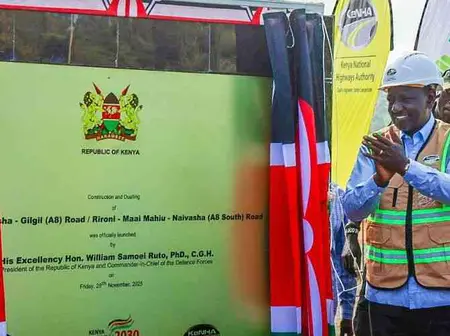
President William Ruto officially launched the project on November 28, 2025, at Kamandura in Kiambu County. The first phase covers sections of the Nairobi-Nakuru-Mau Summit highway and the Nairobi-Maai Mahiu-Naivasha Road.
The project is being implemented through a public-private partnership involving the China Road and Bridge Corporation and the National Social Security Fund. The government announced an investment of approximately US$863 million for the initial project, with construction expected to take two years.
The expanded highway is expected to improve traffic movement, reduce congestion and strengthen transport links along the Northern Corridor, which supports the movement of passengers and goods across Kenya and neighbouring countries.
The latest warning adds to previous concerns raised by traders and businesses affected by the highway expansion.
In August 2026, traders operating at the Great Rift Valley Viewpoint expressed concern after several curio shops were demolished to create space for construction works. Some business owners said they had lost their trading premises and were uncertain whether alternative spaces would be provided.
The latest dispute involves a wider group of traders and farmers who are concerned about access to markets and essential public services.
The government is now under pressure to engage the affected community and explain how the project will address their concerns.
As construction continues, residents are seeking practical solutions that will allow the highway to deliver its intended transport benefits without leaving neighbouring communities disconnected from the services and economic activities they depend on.
The threatened court action could introduce another legal challenge to the project if the government fails to respond to the concerns raised by the affected residents.
Leave a Reply