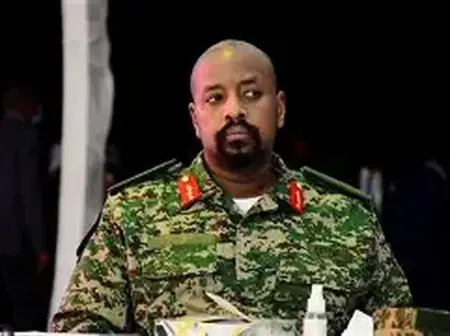
The military chief said the proposed measures would target media organisations that publish reports he considers insulting or disrespectful towards President Museveni, First Lady Janet Museveni, General Salim Saleh and himself.
“I shall announce a new policy on the operations of ALL foreign media in Uganda soon. Their days of insulting our country are over. Any media from wherever insulting or belittling Mzee, Maama, Afande Saleh, or me will be imprisoned for 10 years,” Muhoozi wrote.
He also warned that foreign nationals working as agents for media organisations could be prosecuted before military courts.
“For foreign agents, agents of foreign media they shall be tried by the Court Martial. Like Egesa,” he added.
His remarks have raised questions about the future operating environment for international journalists and news organisations in Uganda, particularly those reporting on the government, political developments and the country's security institutions.
Muhoozi's latest comments come months after he announced the closure of two major media outlets, Daily Monitor and NTV Uganda, both owned by Kenya-based Nation Media Group.
On June 28, 2026, the military chief declared on X that the two outlets would remain closed until he authorised their reopening. He also stated that he did not believe in a free press and insisted that negative stories about Uganda should be cleared through his office.
The announcement was followed by the deployment of armed security personnel around Nation Media Group's premises in Kampala. Reports at the time indicated that some employees were prevented from accessing or leaving the facilities.
The incident attracted criticism from press freedom advocates, who raised concerns about the involvement of the military in matters affecting independent journalism.
Muhoozi's latest warning appears to extend that confrontation beyond local media organisations to foreign news outlets operating in Uganda.
The announcement also comes amid debate over Uganda's Protection of Sovereignty Act, 2026, which President Museveni signed into law on May 17.
The legislation establishes rules governing individuals and organisations considered agents of foreign interests. It has drawn criticism from press freedom and human rights organisations, which warn that its provisions could affect independent media outlets that receive funding or other support from international partners.
Reporters Without Borders has expressed concern that the law could expose journalists and media organisations to legal action because of their foreign funding arrangements and professional partnerships.
The Committee to Protect Journalists also raised concerns during the legislative process, warning that the proposed law could be used to punish journalists reporting critically on government policies.
For now, the military chief has not provided a timeline for introducing the new policy or explained the legal procedures that would be used to enforce the threatened penalties.
It also remains unclear how the proposed restrictions would interact with Uganda's existing laws governing journalism, broadcasting and freedom of expression.
His remarks are nevertheless likely to attract close attention from international media organisations and press freedom groups, particularly over the possibility of journalists being subjected to military proceedings for their reporting.
The coming days may provide further clarity on whether the proposed policy will be formally announced and what specific restrictions it will contain.
Leave a Reply