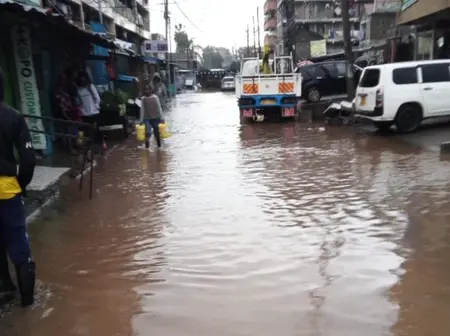
While the Kenya Meteorological Department’s November outlook projected above-average precipitation alongside warmer-than-average national temperatures, the real operational danger lies in the gap between macro-level climate predictions and localized daily preparedness.
This weather vulnerability demands immediate public scrutiny because inadequate drainage maintenance, reactive county disaster response, and poor last-mile dissemination of daily advisories repeatedly turn predictable seasonal rains into costly infrastructure and livelihood crises.
Across Nairobi, the Rift Valley, Western, Nyanza, and coastal corridors, intense afternoon and evening downpours—driven by large-scale Indian Ocean and atmospheric systems—can rapidly overwhelm urban storm drains and rural low-lying areas even when overall weekly patterns appear uneven.
At the same time, higher-than-normal daytime temperatures combined with heavy moisture increase the likelihood of localized thunderstorms, strong winds, and rapid runoff on hardened or poorly drained terrain.
Governance and disaster-preparedness observers note that treating seasonal forecasts as routine weather news rather than actionable triggers leaves commuters, informal settlements, and smallholder farmers scrambling after flooding has already begun.
Per ongoing meteorological updates, closing the gap requires pairing national monthly outlooks with hyper-local daily alerts, proactive drainage clearing by county authorities, and clearer public guidance on flood-prone routes.
As the October–December short-rain season progresses, how effectively county governments and citizens translate broad forecasts into everyday precaution will determine whether November’s rains nourish harvests or inflict avoidable damage.
https://peopledaily.digital/insights/november-rains-the-weather-risk-many-kenyans-may-be-overlooking
Leave a Reply