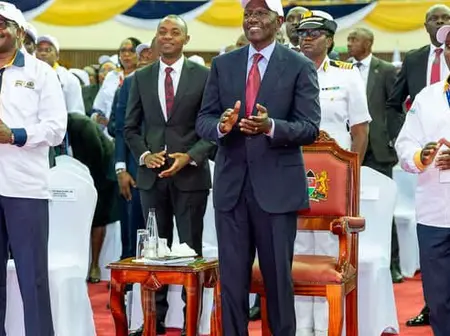
Ruto is expected to officially close the conference in Mombasa on Thursday. The heads have praised his administration for reforms and investment in education. Their chairman, Fuad Ali, is rallying members to support the President's re-election bid.
But the endorsement comes with a raft of demands. The school heads say if they support Ruto, the government must act on long-standing challenges in the education sector. They want action on comprehensive schools management, teachers' career progression, remuneration, and resources for the Competency-Based Education, CBE, curriculum.
At the centre of the debate is the management structure for comprehensive schools. These schools bring together Early Childhood Development Education, ECDE, primary and junior school sections. KECSHA wants the institutions managed under one head, with deputies overseeing the different sections.
The heads want primary and junior schools to operate under one administration. They say having one head will bring order. It will avoid confusion. It will make it easy to manage staff, learners, and resources. It will also make it easy to implement CBE.
But the proposal has met resistance. The Kenya Union of Post-Primary Education Teachers, KUPPET, maintains that Junior Schools should have independent leadership because of their distinct academic and administrative responsibilities.
The Teachers Service Commission, TSC, has maintained that primary school headteachers will remain substantive heads of comprehensive schools. That position continues to draw debate among education stakeholders. 5b4e
School heads are also seeking better promotion opportunities and remuneration. They argue that their expanding responsibilities should be reflected in their career structures and pay. The implementation of CBE has increased demands on administrators, who must manage staffing, infrastructure, learning materials and the transition of learners.
Supporters of the heads say the demands are fair. They say headteachers are doing more work than before. They say they manage more learners, more teachers, more money, and more programmes. They say their pay and promotion should match the work.
They say the government has praised teachers for reforms. They say it is now time to reward them. They say endorsement should not be free. It should come with action.
They say CBE cannot succeed without resources. Schools need classrooms. Schools need laboratories. Schools need books. Schools need teachers. Without those, CBE will fail, they argue.
Critics of the endorsement say school heads should not mix education with politics. They say KECSHA is a professional association, not a political party. They say endorsing a presidential candidate divides teachers. They say some teachers support Ruto, others support opposition leaders. The association should remain neutral, they argue.
They say endorsement before demands are met is a mistake. They say heads should first get commitments in writing. They say they should not endorse and hope.
Government officials say progress has been made. TSC acting chief executive officer Evaleen Mitei said the government had recruited 100,000 teachers over the past three years, with another 16,000 expected to be employed by January 2027.
Supporters of Ruto say that shows commitment. They say 100,000 teachers is a big number. They say the government is investing in education. They say Ruto deserves re-election because of that record.
For now, all eyes are on Mombasa. Ruto's address at the closing ceremony is expected to be closely watched for indications of how his administration intends to respond to the concerns, particularly on school leadership and teachers' welfare.
One thing is clear. More than 15,000 school heads are ready to endorse Ruto for re-election, but they want their demands addressed. The question is whether the endorsement will come with action, or just promises.
https://www.facebook.com/share/1CK2ZzW2wY/
Leave a Reply