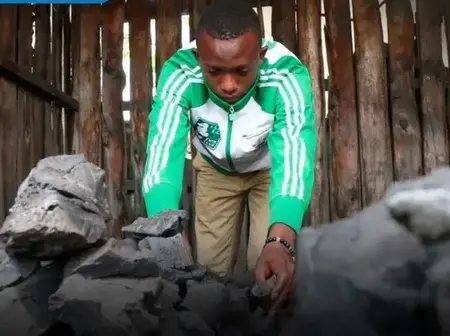
The price of charcoal in Kenya has climbed to a six-year high of Sh99.52 per kilogramme as of September, adding to the financial burden facing households already grappling with the rising cost of living.
The sharp increase has renewed concerns about the affordability and availability of wood fuel, which remains an important source of cooking energy for many low-income families, particularly in rural areas and informal urban settlements.
For households that depend on charcoal for daily cooking, the rising prices mean spending a larger share of already stretched incomes on basic energy needs. Families may be forced to reduce consumption, switch to cheaper but potentially less efficient fuels or cut spending on other essentials such as food, education and healthcare.
The increase also raises questions about the sustainability of Kenya's charcoal supply chain, which is closely linked to the country's forestry resources, transportation costs and regulatory environment.
Government efforts to protect forests through restrictions on logging and charcoal production are important in addressing deforestation, environmental degradation and climate change. However, such measures must be accompanied by practical alternatives to ensure that ordinary citizens are not priced out of affordable cooking energy.
A balance is therefore needed between environmental conservation and the economic realities of households that rely on wood fuel. Strengthening sustainable charcoal production, promoting tree planting and improving regulation of the charcoal trade could help address supply challenges without undermining conservation efforts.
The government could also accelerate investment in alternative cooking solutions, including liquefied petroleum gas, electricity and improved cookstoves. However, affordability remains a major obstacle, as many households cannot easily meet the initial costs of switching fuels.
Ultimately, the rising charcoal prices highlight a broader energy policy challenge. Protecting forests must go hand in hand with ensuring reliable, sustainable and affordable cooking energy. Without coordinated interventions, the burden will continue falling disproportionately on low-income households.
Source: https://www.facebook.com/share/1A26ZXy5E1/
Leave a Reply