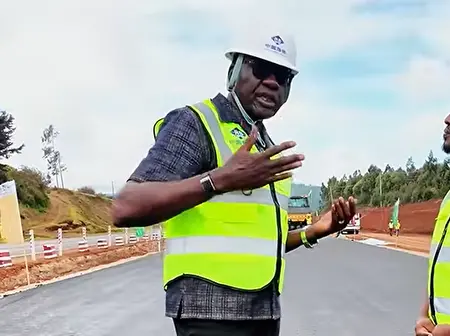
Kenya’s ambitious Rironi–Mau Summit Highway project is raising an important question about the future of road infrastructure financing: how much should motorists pay to use roads built through public-private partnerships?
With the government proposing a toll charge of Ksh8 per kilometre, the approximately 210-kilometre highway is set to introduce a new financial consideration for motorists travelling between Nairobi, the Rift Valley and western Kenya.
The charge means that using the entire highway could cost a motorist approximately Ksh1,680 for a one-way journey, before considering any applicable adjustments or exemptions.
For motorists who regularly travel along the corridor, the cost could become a significant part of their transport expenditure.
The debate is therefore bigger than the construction of another highway.
It touches on affordability, infrastructure financing, public investment and the right of motorists to access alternative roads.
The Rironi–Mau Summit project represents a shift towards using private-sector participation to finance major infrastructure developments.
Under the public-private partnership model, private investors participate in financing, construction and maintenance, with their investment recovered through an agreed concession arrangement.
The Rironi–Mau Summit project has an estimated cost of approximately Ksh184 billion, making it one of the country’s major ongoing road infrastructure investments.Instead of relying entirely on direct government financing, the partnership arrangement provides an alternative mechanism for mobilising capital.
However, the model transfers part of the financial responsibility to road users through toll charges.
This creates an important public policy question: how can Kenya finance modern transport infrastructure without making mobility increasingly expensive for ordinary citizens?
The proposed Ksh8-per-kilometre charge is intended to support the financing and operation of the toll road.
But motorists will ultimately judge the arrangement by the quality of the service they receive.
A toll road is expected to offer more than additional lanes. Its value should be reflected in reduced travel time, improved road safety, reliable maintenance and better traffic management.
For businesses transporting goods between Nairobi and western Kenya, these improvements could translate into more predictable delivery schedules and lower vehicle operating costs. For individual motorists, shorter journeys could mean reduced fuel consumption, less time spent in traffic and improved convenience.
However, these benefits must be weighed against the direct cost of using the highway.
A motorist who pays a toll but experiences persistent congestion, poorly maintained sections or inadequate safety infrastructure may question whether the charge represents value for money.
One of the most important issues in the tolling debate is whether motorists will have meaningful alternatives.
Roads and Transport Cabinet Secretary Davis Chirchir has said alternative routes have been designed for motorists who do not wish to pay toll charges.
This is an important consideration because tolling should not leave road users with no practical option of travelling between destinations without paying.
The availability, condition and convenience of alternative roads will therefore influence how motorists respond to the new arrangement.
If alternative routes are significantly slower, poorly maintained or more expensive to use, motorists may feel compelled to pay even when the toll charge strains their budgets.
The government must consequently ensure that non-toll routes remain usable and that motorists understand their options before the system becomes operational. When can motorists use the road without paying?
Chirchir has also explained that toll exemptions may apply under particular circumstances, including when sections are opened or expanded to ease congestion and maintain the required service levels.
The arrangements are linked to service-level agreements established by the Kenya National Highways Authority.
These agreements are intended to define the standards expected from the road operator, including maintenance and traffic management.
The principle is important because motorists should not continue paying for a service that fails to meet the agreed standards.
However, the specific conditions governing exemptions, their duration and how motorists will be informed need clear communication.
The success of the Rironi–Mau Summit Highway will not be measured exclusively by whether contractors meet the June 2027 completion deadline.
It will also depend on whether the completed road delivers measurable benefits to motorists and businesses.
The government will have to demonstrate that the toll charges are justified by the quality, reliability and efficiency of the infrastructure.
It must also establish transparent mechanisms for toll collection, public accountability, maintenance standards and handling complaints.
For Kenya, the project presents an important test of whether public-private partnerships can deliver modern infrastructure while balancing investor interests with the financial realities of citizens.Ultimately, the question is not simply whether Kenyans are willing to pay Ksh8 per kilometre.
It is whether the time saved, safety improvements and reliability gained will justify the additional cost of travelling.
Leave a Reply