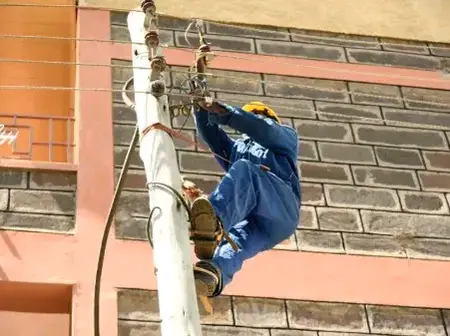
The issue raises important questions about consumer rights, especially in cases where customers experience disconnection despite having paid their electricity bills.
Under Article 46 of the Constitution of Kenya, consumers have a right to reasonable quality services and protection of their interests. Article 47 also guarantees the right to fair administrative action.
These protections mean that electricity providers cannot exercise their disconnection powers arbitrarily. Section 160 of the Energy Act, 2019, sets out circumstances under which electricity supply may lawfully be discontinued.
Kenyan legal decisions have also demonstrated that customers can pursue compensation when wrongful disconnection is established.
In Muroria v Kenya Power and Lighting Company Ltd (2025), the Energy and Petroleum Tribunal awarded compensation for loss of earnings, inconvenience and exemplary damages following an unlawful electricity disconnection.
In another decision, Magara v Kenya Power and Lighting Company (2026), the Tribunal awarded KSh350,000 in general damages for inconvenience and distress caused by unlawful disconnection. However, it rejected a separate claim for losses that had not been sufficiently established.
Consumers seeking compensation must therefore provide evidence supporting their claims. Useful documents include electricity payment receipts, account statements, medical records, replacement receipts and correspondence with Kenya Power.
The recommended first step is to lodge a formal complaint with Kenya Power. If the matter remains unresolved, consumers can escalate it to the Energy and Petroleum Regulatory Authority (EPRA) and subsequently the Energy and Petroleum Tribunal.
Ultimately, wrongful disconnection does not automatically guarantee compensation. The customer must establish that the disconnection was unlawful and provide evidence of the losses suffered.
Do you think electricity companies should compensate customers whenever they disconnect power unfairly?
Leave a Reply