A person who previously enjoyed a satisfying sex life may suddenly notice a decline in sexual interest or experience difficulties during intimacy. Men may struggle to achieve or maintain erections, while women can experience reduced vaginal lubrication, discomfort and pain during intercourse.
Although such changes can become more common with age, experts caution against assuming that everyone must experience them at a particular stage of life.
According to a report by Daily Nation, sexual health is influenced by several interconnected factors, including physical wellbeing, psychological conditions and social circumstances.
The publication highlights the experience of Luke, a 50-year-old businessman, whose sexual relationship with his wife, Jacinta, began experiencing difficulties as he approached his 50th birthday.
The couple, who had been married for 22 years and had three children, had previously enjoyed an active intimate life. However, Luke gradually lost interest in sex and started experiencing difficulties maintaining erections.
The situation eventually affected their marriage, with the couple reportedly going for 11 months without sexual intimacy.
Jacinta became worried about the sudden change, questioning whether her husband had lost interest in her or was involved with someone else. Luke, on the other hand, struggled to understand why his sexual performance had changed.
The report explains that sexual dysfunction can result from biological, psychological and social factors.
Biological causes include hormonal changes, diabetes, cardiovascular diseases and other medical conditions that interfere with normal body functions.
Psychological factors such as depression, anxiety and emotional distress can also affect sexual desire and performance. Meanwhile, relationship conflicts, financial difficulties, demanding jobs and inadequate sleep may contribute to the problem.
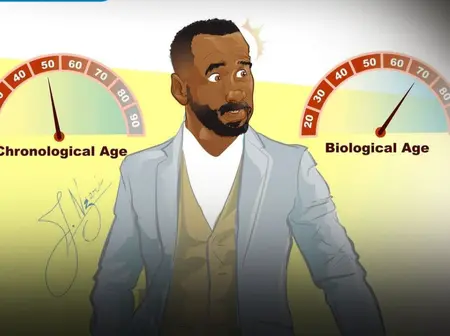
Another important issue discussed in the report is the difference between chronological age and biological age.
While chronological age represents the number of years a person has lived, biological age reflects the condition of their body and how well its organs are functioning.
The publication explains that two individuals who are the same age may have considerably different levels of physical health depending on their lifestyles and medical histories.
In Luke's case, medical assessment reportedly revealed several unhealthy habits, including excessive alcohol consumption, obesity, poor eating patterns and sleeping for fewer than four hours each night.
His demanding work schedule also left him with limited opportunities to rest and maintain a healthy routine.
The assessment reportedly placed his biological age at approximately 73 years, despite his chronological age being 50.
The findings highlighted how unhealthy lifestyle choices can contribute to premature physical deterioration and potentially affect sexual functioning.
Experts therefore encourage people to adopt healthier habits, including regular exercise, balanced nutrition, sufficient sleep, maintaining a healthy weight and limiting alcohol consumption.
They also recommend seeking medical attention when sexual difficulties persist, since identifying and treating an underlying condition could help improve both general wellbeing and intimate relationships.
Ultimately, the report highlights that changes in sexual performance should not always be dismissed as a normal consequence of growing older. Sometimes, they may be an indication that the body needs medical attention and lifestyle adjustments.
https://x.com/NationAfrica/status/2124041373808751102/photo/1?a=PvkYpHsHxNRoUNEy1PY&s=19
Leave a Reply