In a message shared after the event, the former legislator congratulated the newlyweds and wished them a lifetime filled with love, laughter, patience and happiness.
She also offered advice to the couple, urging them to make God the centre of their marriage and allow Him to guide their decisions as they build their home together.
Ngirici encouraged Karen and John to nurture a relationship founded on love, kindness, warmth and shared dreams, noting that these values would help them strengthen their union.
She referenced 1 Corinthians 13:4–7, which highlights the importance of patience, kindness, trust and perseverance in sustaining love.
Beyond the wedding celebrations, Ngirici used the occasion to address young people, urging them to register as voters ahead of the 2027 General Election.
Her message combined the celebration of a personal milestone with a call for greater civic participation, particularly among young voters.
Her appearance comes as political leaders continue engaging residents across the country ahead of the next general election, with voter registration and grassroots mobilisation remaining key issues.
Comedian Mulamwah has clarified his relationship with his ex-partner Ruth K, insisting that their recent interactions are strictly about co-parenting and business, with no romantic intentions.In a social media post on Saturday, November 21, 2026, Mulamwah addressed speculation surrounding his interactions with Ruth K, the mother of his son, Calvin.
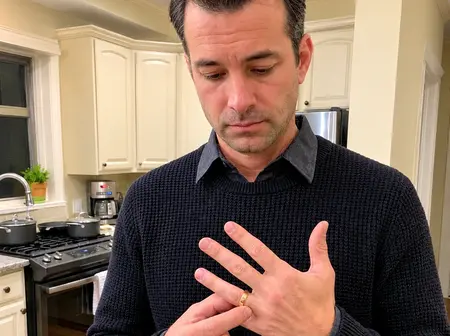
For over a week, the woman noticed her husband, Spencer, arriving at their Kilimani home past 9:00 PM without calling. He remained glued to his phone during dinner and repeatedly kept his wedding ring inside his pocket, claiming it was bothering his finger.
Growing uneasy and fearing the worst, she decided to trail him from his office at 5:00 PM on Friday. After a twenty-minute drive, she watched him park near a row of old garages along Waiyaki Way.
"I didn't like following him, but I needed to know the truth," she recounted, explaining how her heart raced as she crept toward the half-open garage door.
Peeking inside, the woman covered her mouth in complete disbelief at what she saw, realizing her worst fears about his secret evening routine were far from the truth.
The young girl, Junie, was born with a harmless white patch on her left cheek, which she fondly calls her "little cloud." While her parents have always encouraged her to love herself as she is, her 62-year-old grandmother, Patricia, repeatedly pushed for makeup or medical treatments so the girl would fit in.
Six weeks before Patricia’s big wedding at an upscale country club, she invited her daughter-in-law for lunch and handed her a cheque worth $20,000 (about Sh2.5 million). She explained that she wanted Junie to see a skin specialist so the birthmark would not distract guests in the expensive wedding photos.
"I don’t want all eyes on Junie’s face rather than the bride," Patricia reportedly said during the meeting.
The mother immediately rejected the money and walked out, while her husband warned his mother never to bring up the issue again. Although Patricia seemed to drop the matter, tension returned on the wedding morning at the hotel where the family was staying.
A person who previously enjoyed a satisfying sex life may suddenly notice a decline in sexual interest or experience difficulties during intimacy. Men may struggle to achieve or maintain erections, while women can experience reduced vaginal lubrication, discomfort and pain during intercourse.
Although such changes can become more common with age, experts caution against assuming that everyone must experience them at a particular stage of life.
According to a report by Daily Nation, sexual health is influenced by several interconnected factors, including physical wellbeing, psychological conditions and social circumstances.
The publication highlights the experience of Luke, a 50-year-old businessman, whose sexual relationship with his wife, Jacinta, began experiencing difficulties as he approached his 50th birthday.
The couple, who had been married for 22 years and had three children, had previously enjoyed an active intimate life. However, Luke gradually lost interest in sex and started experiencing difficulties maintaining erections.
The situation eventually affected their marriage, with the couple reportedly going for 11 months without sexual intimacy.
Jacinta became worried about the sudden change, questioning whether her husband had lost interest in her or was involved with someone else. Luke, on the other hand, struggled to understand why his sexual performance had changed.
The report explains that sexual dysfunction can result from biological, psychological and social factors.
Biological causes include hormonal changes, diabetes, cardiovascular diseases and other medical conditions that interfere with normal body functions.
Psychological factors such as depression, anxiety and emotional distress can also affect sexual desire and performance. Meanwhile, relationship conflicts, financial difficulties, demanding jobs and inadequate sleep may contribute to the problem.
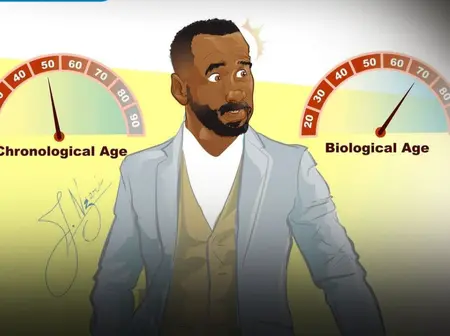
Another important issue discussed in the report is the difference between chronological age and biological age.
While chronological age represents the number of years a person has lived, biological age reflects the condition of their body and how well its organs are functioning.
The publication explains that two individuals who are the same age may have considerably different levels of physical health depending on their lifestyles and medical histories.
In Luke's case, medical assessment reportedly revealed several unhealthy habits, including excessive alcohol consumption, obesity, poor eating patterns and sleeping for fewer than four hours each night.
His demanding work schedule also left him with limited opportunities to rest and maintain a healthy routine.
The assessment reportedly placed his biological age at approximately 73 years, despite his chronological age being 50.
The findings highlighted how unhealthy lifestyle choices can contribute to premature physical deterioration and potentially affect sexual functioning.
Experts therefore encourage people to adopt healthier habits, including regular exercise, balanced nutrition, sufficient sleep, maintaining a healthy weight and limiting alcohol consumption.
They also recommend seeking medical attention when sexual difficulties persist, since identifying and treating an underlying condition could help improve both general wellbeing and intimate relationships.
Ultimately, the report highlights that changes in sexual performance should not always be dismissed as a normal consequence of growing older. Sometimes, they may be an indication that the body needs medical attention and lifestyle adjustments.
The bride, whose family was struggling to pay for her mother’s cancer treatment, chose to buy an affordable mtumba dress in Gikomba instead of spending thousands of shillings on a designer outfit. While the groom’s wealthy family funded the lavish Karen venue for nearly 200 guests, word leaked about the dress, sparking whispers and jokes among attendees.
During the reception, the bride’s aunt stood up and mocked her in front of the crowd, asking why her rich husband had not bought her a proper gown instead of "rags from a mtumba stall." The comment left the bride humiliated as several guests laughed.
However, the groom’s mother immediately stood up and defended her daughter-in-law, praising her sacrifice to prioritize her sick mother’s medical bills over luxury. Her emotional remarks left the hall silent and brought the bride to tears of relief.
Finding a meaningful relationship is something many people hope to experience, but it does not happen at the same time for everyone. While some men easily approach women and develop romantic connections, others struggle despite wanting a relationship. In some cases, the challenge is not a lack of opportunities but certain habits, fears and expectations that influence how they approach dating. Understanding these challenges can help men develop healthier attitudes towards relationships.
One common challenge is spending too much time seeking female attention instead of building a balanced life. Some men constantly send messages, seek compliments and change their plans whenever a woman shows interest. Although showing romantic interest is normal, becoming overly dependent on another person's attention can make someone neglect personal responsibilities. Developing a career, pursuing interests and maintaining friendships can help a man build a more fulfilling life while remaining open to love.
Fear of rejection is another issue that can prevent men from forming relationships. A man may admire a woman but hesitate to approach her because he is afraid she might turn him down. He may spend a long time imagining what could go wrong instead of giving himself an opportunity to start a conversation. Rejection can be disappointing, but it does not determine someone's worth or mean that future relationships will fail. Learning to accept that not every romantic interest will be mutual can make dating less intimidating.
Unrealistic expectations can also make it difficult to find a compatible partner. Social media exposes people to carefully selected photographs, expensive lifestyles and romantic moments that may not reflect everyday reality. As a result, some men develop expectations that a potential partner must be exceptionally attractive, financially successful and free from personal weaknesses. However, lasting relationships require more than appearances and impressive lifestyles. Compatibility, honesty, respect and shared values are often more important when building a future together.
Another challenge arises when a man's confidence depends entirely on female approval. Some men feel attractive and successful only when women compliment them, respond quickly to their messages or express romantic interest. When that attention disappears, they begin questioning their worth. This can create unnecessary pressure in dating because every interaction becomes a test of personal value. Genuine confidence develops when someone understands his strengths, accepts his weaknesses and does not allow another person's response to define his identity.
Poor communication can also prevent promising connections from developing into relationships. Some men struggle to express their feelings, explain their intentions or discuss what they want from a potential partner. Others send mixed signals and expect women to understand what they are thinking without having an honest conversation. Such behaviour can create confusion and misunderstandings. Clear communication allows two people to understand each other's expectations and decide whether they are interested in pursuing the same kind of relationship.
Comparing oneself with other men is another habit that can affect dating confidence. A man who constantly sees others showing off expensive cars, successful businesses, attractive partners and luxurious lifestyles may begin to believe that he is not good enough. He might convince himself that he needs a better salary, a bigger house or an expensive vehicle before approaching a woman. While financial stability and personal development are valuable goals, they should not become excuses for avoiding meaningful social connections. People have different journeys, and comparing personal progress with carefully presented images of other people's lives can create unnecessary pressure.
Ultimately, being single does not mean that a man has failed or that he must change everything about himself to attract a partner. Some men are single by choice, while others are focused on their careers or have simply not met someone compatible. However, developing confidence, improving communication and maintaining realistic expectations can make it easier to build healthy relationships. Rather than measuring success by the number of women who show interest, men can focus on becoming emotionally mature, responsible and comfortable with who they are. A meaningful relationship is more likely to grow when two people choose each other freely and build a connection based on mutual respect.
Many men believe that displaying wealth, talking about their popularity or acting emotionally unavailable makes them more attractive to women. While these behaviours may sometimes create attention, they can also give the wrong impression. Genuine confidence is not about constantly proving one's worth to others. It is reflected in how a man communicates, handles disagreements and treats the people around him.
One behaviour that can create a negative impression is constantly bragging about how many women are interested in him. Some men believe that mentioning their previous relationships or the number of women pursuing them makes them appear desirable. However, repeatedly bringing up other women may make a man look as though he needs constant attention and approval. A person who is genuinely comfortable with himself does not have to use his romantic history to impress someone.
Another behaviour is frequently talking about money and personal wealth. Financial success is an achievement worth celebrating, but constantly mentioning one's salary, business income or expensive investments can make conversations feel like competitions. A woman may be more interested in understanding a man's character, ambitions and financial responsibility than listening to repeated claims about how much money he has. Actions often communicate financial maturity more effectively than words.
Pretending to be unavailable is another approach some men use when trying to attract women. They may deliberately ignore messages, delay responses or act uninterested because they believe it will make a woman chase them. Although having personal commitments and maintaining independence are healthy, deliberately playing emotional games can create unnecessary confusion. Healthy relationships require genuine communication rather than calculated attempts to appear important.
Turning every disagreement into an argument can also damage a man's image. Some men feel that agreeing with a woman or accepting a different opinion makes them appear weak. As a result, they become defensive and try to prove that they are always right. However, confidence does not require winning every conversation. Being able to listen, explain a different opinion calmly and accept mistakes demonstrates emotional maturity.
Talking negatively about other men in an attempt to appear superior can also have the opposite effect. A man who constantly criticises another person's appearance, financial position or achievements may create the impression that he feels threatened by competition. Comparing himself with everyone around him does not necessarily make him look more attractive. Showing respect for others while focusing on personal growth can communicate greater self-assurance.
Showing off expensive possessions is another behaviour that can be misunderstood. Owning a good car, wearing designer clothes or buying an expensive watch is not necessarily a problem. However, constantly displaying these items to gain approval may suggest that material possessions have become the foundation of one's confidence. A man's value should not depend entirely on the brands he wears or the amount of money he spends.
Finally, demanding that a woman blocks her former partner to prove her loyalty can create an impression of insecurity and controlling behaviour. It is understandable for someone to have concerns about certain relationships from their partner's past. However, healthy couples should discuss their boundaries and agree on what is acceptable. Using demands, threats or restrictions as tests of commitment can damage trust rather than strengthen it.
Ultimately, attracting someone should not become a competition to prove who has more money, more attention or greater status. Confidence is reflected in self-respect, emotional maturity and the ability to communicate without putting others down. A man who understands his worth does not need to constantly announce it. Instead, his actions, character and consistency allow others to form their own impression of him.
A Ugandan bride and groom have attracted attention after displaying an unusual greeting during their wedding ceremony, giving guests a moment they probably did not expect to witness at the church altar.
The couple, whose wedding took place at a Seventh Day Adventist church in Uganda, had a special way of greeting each other that they decided to showcase during the celebration.
In a video shared by Satisfashion UG Weddings, the newlyweds are seen standing together at the altar before engaging in a personalised handshake. Their coordinated movements suggest that the greeting was something they had practised before the big day.
Rather than keeping the moment strictly formal, the pair appeared comfortable displaying their playful side in front of the congregation.
Their unusual greeting also caught the officiating minister by surprise. He reacted humorously, joking that the couple had not informed him about their special way of greeting each other.
His response brought another round of amusement to the occasion, with the interaction becoming one of the interesting moments captured during the ceremony.
The video has since attracted attention from social media users, with many finding the couple's creativity entertaining.
Some viewers were amused by the fact that the newlyweds had their own greeting routine, while others found the minister's reaction particularly funny.
The incident has also highlighted the different ways couples are choosing to express themselves during wedding celebrations.
For many people, a church wedding is associated with formal proceedings, traditional exchanges and carefully planned activities. However, the Ugandan couple demonstrated that personal traditions can also find a place in such occasions.
Their handshake provided a glimpse of their playful interaction and gave the people attending the ceremony something unusual to remember.
Although the greeting lasted only a short time, it became the standout feature of the footage shared online.
The video continues to draw interest from viewers who have enjoyed seeing the couple introduce their own style into an important day in their lives.
I did not know friendship came with a monthly subscription fee. Somewhere between the "Hey girl, let's catch up!" texts and the perfectly edited Instagram dumps, someone quietly slipped an invoice under the table.
Apparently, if you are Gen Z, friendship is no longer measured by loyalty or laughter. It is measured by whether you can afford to announce your bank balance before you even say hello. I found out the hard way.
Looking back, it started innocently enough. Every Sunday, my friends would suggest brunch at one of Nairobi's newest Instagram-famous cafés. Places where the menu looked like it had been translated from French by someone who had never actually eaten the food.
We'd queue for almost an hour, spend another 40 minutes taking photos of our pancakes from 17 different angles, and record TikTok transitions.
I would sit there, sipping an overpriced iced latte that cost almost as much as my week's shopping at Naivas, wondering whether this counted as quality time. The irony? We barely spoke. The only conversations that mattered were, "Can you retake this?" "Wait, don't eat yet!" and "Who has the ring light?"
By the time the food went cold, everyone had enough content for Instagram, but nobody seemed interested in each other's actual lives. Every brunch quietly emptied my wallet. I would spend the rest of the week calculating whether I could survive on mandazi and tea until payday because I had spent Sh4,500 proving online that I had a social life. I kept telling myself that this was just what adulthood looked like.
Then came the Summertides trip. I was genuinely excited. Growing up, the Coast had always felt like somewhere other people went. My family had never managed a beach holiday, so when the group suggested a girls' trip to Summertides in Diani, I immediately started saving. We all agreed on a budget. Finally, something I could actually plan for. Or so I thought.
The group chat slowly transformed into a financial horror movie. Suddenly, the Airbnb we had agreed on was "too basic". Then someone suggested upgrading because "we deserve luxury". Then came the expensive bottles. "Guys, we're on holiday." "We can't drink the cheap stuff."
The budget doubled almost overnight. Nobody even blinked. Except me. I remember staring at my banking app while pretending to laugh at the voice notes in the group chat. Every extra contribution meant sacrificing something back home. Transport. Groceries. Airtime. Meanwhile, everyone else seemed to compete over who could spend the most money the fastest.
Research consistently shows that social media fuels comparison culture, particularly among Gen Zs. Constant exposure to curated lifestyles creates pressure to match experiences that often don't reflect reality. The result is something economists call ‘social spending’ — buying things not because we need them, but because we fear being left behind. I was living that research without even realising it.
The final straw arrived wrapped in gift paper. One of my then closest friends was celebrating her birthday. We had always exchanged wish lists, but gift-giving had never been a contest. At least, I thought so. Money was tight, but I still wanted to buy something meaningful. I found a beautiful handbag that suited her personality, carefully wrapped it and honestly felt proud of my choice.
Then she opened it. The room went silent for a second. She laughed. “Lakini hii inaonekana kama imetoka Gikomba.”
Everyone laughed. I laughed, too. Not because it was funny. Because I did not know what else to do. That handbag represented hours of budgeting, sacrificing and choosing her over myself. In one careless sentence, it became proof that my financial situation was apparently visible.
That moment embarrassed me far more than I admitted. However, it also freed me. I realised I had been paying membership fees to belong in a club that had quietly changed its entry requirements. Leaving that friend group was painful. But staying would have been expensive in ways money cannot measure.
Not everyone agrees with me. "I don't mind spending money with my friends because experiences are worth more than savings," says Sheila Mwikali, 23. "I'd rather create unforgettable memories now than keep waiting for the perfect financial moment."
I understand that perspective. Experiences do matter. But experiences should not require pretending your M-Pesa balance looks different from reality.
Kevin Kiprono, 25, learned that lesson himself. "I once took a loan just to keep up with my boys during a weekend in Naivasha," he says. "By Monday everyone had gone back to their normal lives, but I was the one repaying debt for three months. That's when I realised I wasn't investing in friendship. I was financing appearances."
His story sounds painfully familiar. The truth is, Gen Zs are navigating one of the toughest economic climates in recent years. Youth unemployment remains stubbornly high, the cost of living continues to climb, and many young people are juggling side hustles just to stay afloat. Against that backdrop, friendships built around constant spending become less about connection and more about financial endurance.
We should not have to choose between having friends and having savings. Real friendship should survive nyama choma at a local joint just as easily as dinner at a rooftop restaurant. It should survive saying, "Guys, I can't afford this," without making someone feel like they have resigned from the group.
These days, my weekends are quieter. Sometimes my current friends and I meet for tea at a kibanda instead of brunch in Westlands. Sometimes we walk through Karura Forest. Sometimes we simply sit in someone's house, sharing crisps, stories and laughter that never makes it onto Instagram. Oddly enough, those are the moments I remember most. They cost almost nothing. And somehow, they are worth absolutely everything.