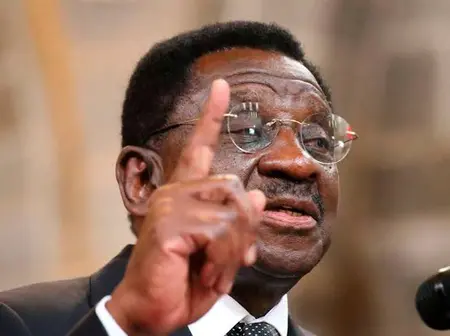
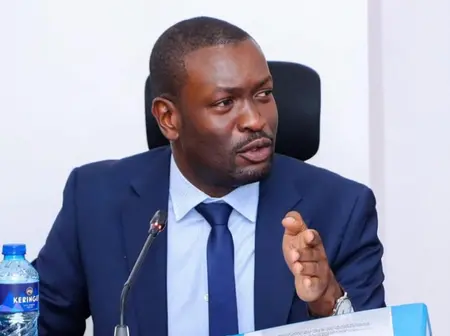
Alongside other proposed officials such as Suba South MP Caroli Omondi as secretary-general, former Law Society of Kenya president Faith Odhiambo, and Mavoko MP Patrick Makau, the lineup is structured to project presence across Nyanza, Western, Eastern, and Nairobi ahead of the August 10, 2027 General Election.
For President William Ruto and the ruling coalition, any opposition vehicle that links articulate national communicators with established regional figures creates fresh strategic competition roughly eight months before Kenyans vote.
Having leaders with distinct local networks in Kisii, Vihiga, Meru, and urban centers gives Sifuna’s camp broader platforms to challenge government policies on cost of living, public contracts, and governance.
Competing ambitions, overlapping party vehicles, and negotiations over how opposition tickets will be shared among principals remain ongoing challenges that can test cohesion under campaign pressure.
Ultimately, the strength of Sifuna’s leadership team will be judged by how effectively those figures mobilize grassroots support and coordinate strategy in the months ahead.
Roughly eight months before polling day, turning high-profile names and proposed party roles into disciplined ground operations will determine how much pressure Linda Mwananchi exerts in August 2027.
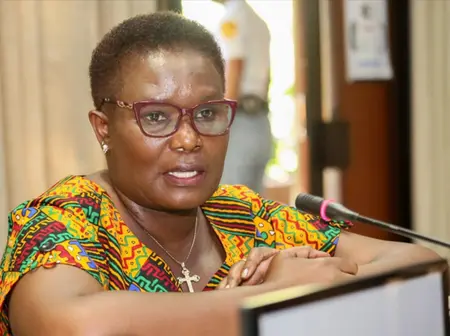
In a remark that caught attention, the former Meru governor said her responsibility was to ensure that the Nairobi senator wears a sweater in the evening and eats breakfast before leaving home. She added that taking on President William Ruto, whom she referred to as “Kasongo,” is no easy task.
The comment brought a lighter moment into the heated political conversation surrounding Sifuna and his possible ambitions. Rather than speaking about campaign strategies or political alliances, Mwangaza used an everyday picture of care to underline how demanding the contest could become.
Her words also carried a message about the pressure that comes with challenging a sitting president. Political battles require energy, preparation and resilience, and her breakfast-and-sweater remark suggested that even small acts of support matter when the stakes are high.
Many people were left talking about the unusual way she expressed her support. The incident sparked reactions online, with some seeing the statement as playful encouragement, while others may read it as confidence in Sifuna’s political fight. Supporters appeared divided over whether he has what it takes to take on Ruto.
The remark comes as Kenya’s political scene is buzzing with discussions about possible 2027 contenders, shifting alliances and the future of the opposition. Sifuna’s name has featured in those conversations, making public comments about his political direction a subject of interest among Kenyans following the unfolding political contest.
What happened next surprised many because the focus shifted from political calculations to the personal support behind a possible campaign.
Do you think Sifuna has the strength and backing to challenge Ruto in 2027? Share your views in the comments.
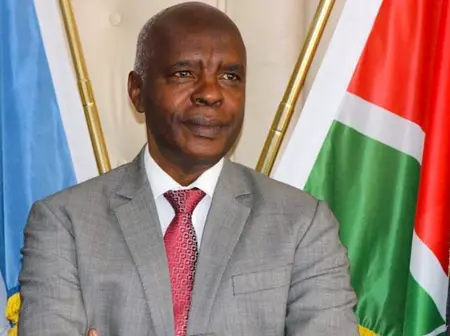
RespondsFormer Makueni Governor Kivutha Kibwana has responded to Nairobi Senator Edwin Sifuna after he said he did not travel to the US to meet New York Mayor Zohran Mamdani.Former Makueni Governor Kivutha Kibwana has responded to Nairobi Senator Edwin Sifuna after he said he did not travel to the US to meet New York Mayor Zohran Mamdani.
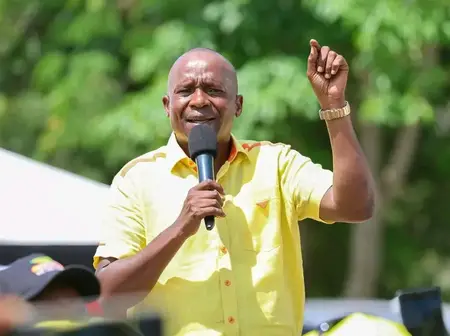
In remarks attributed to him and dated November 22, 2026, Murkomen said Kindiki should become president one day. He cited milestones they have both reached, including serving as professors, senators and Interior Cabinet Secretaries.
“Kindiki must become president one day,” Murkomen said. He recalled that Kindiki had been his professor before both men later served in the Senate and held the Interior docket. Murkomen added that he believed his luck was with Kindiki and that he would continue standing with him.
The statement is notable because it goes beyond a routine expression of praise. By publicly linking Kindiki’s future to the country’s highest office, Murkomen has added his voice to conversations about the Deputy President’s long-term political prospects.
However, the remarks should be understood for what they are: an expression of personal confidence and support. They do not, on their own, amount to an official presidential announcement, a campaign launch or confirmation of a future political arrangement. Murkomen did not give a timetable or explain what steps could lead to such an ambition being realised.
The comparison of their journeys is central to his message. Murkomen used their shared experiences in academia, the Senate and the Interior Ministry to explain why he sees Kindiki’s rise to the presidency as possible. He presented their parallel careers as the basis for his confidence, rather than outlining a detailed political plan.
For now, Murkomen’s message is clear: he believes Kindiki has the capacity to lead Kenya one day and says he intends to stand with him.
What do you think about the remarks and Kindiki’s possible future in national leadership? Share your views in the comment section.
President William Ruto’s abrupt decision to cut short his Western Kenya tour and travel to the Republic of Congo for high-level diplomatic talks dominated Monday’s newspaper headlines, alongside concerns over Kenya’s rising public debt.
The Daily Nation reported that Ruto travelled to Congo on Saturday night to meet Democratic Republic of Congo (DRC) President Félix Tshisekedi in a bid to repair strained diplomatic relations between Nairobi and Kinshasa.
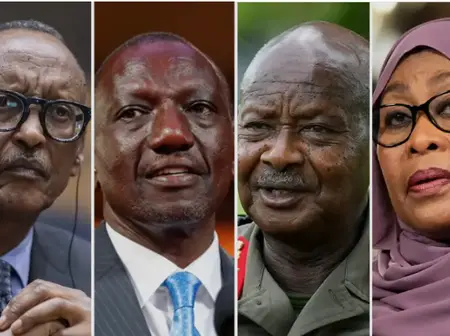
The meeting, also attended by Republic of Congo President Denis Sassou Nguesso and Togo’s Faure Gnassingbe, focused on the conflict in eastern DRC, regional stability and trade relations.
The newspaper further reported that Kenya’s public debt has crossed the KSh13 trillion mark after the government borrowed KSh233.4 billion through seven new loans between May and August 2026.
Elsewhere, the publication highlighted a Kenya Wildlife Service operation involving helicopters and drones to search for a man who went missing during a hiking expedition in the Aberdares on November 14.
President William Ruto is facing increasing hostility from neighbouring countries, raising questions about Kenya’s regional influence and his ambitions to position Nairobi as a leading diplomatic player in East Africa, The Standard reports.
The newspaper reported that countries including the Democratic Republic of Congo (DRC), Uganda, Tanzania and Somalia have become increasingly critical of Kenya, accusing Nairobi of interference, double-dealing and undermining regional interests.
The diplomatic tensions came into focus as Ruto met DRC President Félix Tshisekedi during a high-level summit in the Republic of Congo aimed at repairing strained relations between Nairobi and Kinshasa.
Ruto abruptly cut short his Western Kenya tour on Saturday night to attend the meeting, which was also attended by Republic of Congo President Denis Sassou Nguesso and Togo’s Faure Gnassingbe.
The discussions focused on the conflict in eastern DRC, regional stability and trade, with the newspaper questioning whether the engagement would help restore Kenya’s standing among its neighbours.
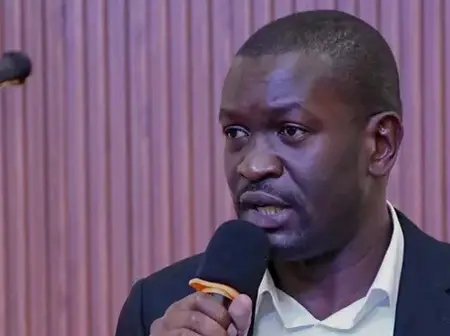
Nairobi Senator Edwin Sifuna is taking the Linda Mwananchi Movement's message to Kenyans in the United States as he courts diaspora voters and mobilises funds for his presidential bid.
The two-week tour was planned to open with a three-day stop in Allentown, Pennsylvania, from November 20 to 22, according to The Standard.
In Maryland, he is scheduled, per Kenya Today, to attend a fundraising dinner on November 24 and a town hall on November 25 at the Spark Hotel in Germantown, both organised by the Linda Mwananchi USA Diaspora Chapter.
Kakamega Senator Boni Khalwale said the trip would let Sifuna connect with Kenyans abroad, explain his political agenda and popularise his presidential ambitions.
The tour comes as Sifuna sharpens his criticism of President William Ruto.
In May, he claimed money influences Ruto's foreign policy decisions.
In August, he told supporters that slogans had ended and called Ruto's promises to boda boda riders and shopkeepers a blatant lie.
Contracts are a live issue in Washington.
The Nation reported that the Ruto administration, Jimmy Wanjigi and Fred Matiang'i are among 2027 contenders who have hired US firms to improve their political images.
Mudavadi has defended Kenya's US lobbying deal as lawful, saying its contracts and terms are public.
The Nation also reported that a US chapter of Linda Mwananchi has been registered on the movement's behalf.
One poll shows Sifuna rising.
The Star reported in July that a poll showed Ruto maintaining a lead while Sifuna recorded the fastest growth among opposition politicians and overtook Kalonzo Musyoka.
Sifuna has said the opposition will field one candidate to face Ruto and that Linda Mwananchi will not be used to split opposition votes.
Back home, the movement faces its own hurdles.
Chairperson Godfrey Osotsi has accused Ruto's camp of frustrating the party's registration, while a member of the former Equitable Party has sued over the rebranding.
Whether the tour converts curiosity into cash and votes will shape how the movement enters 2027.
Sifuna explained that after leaders parted ways with ODM, they held more than 100 meetings to find a common political home and established a legal sub-committee to vet five parties linked to Owino, Caroli Omondi, Godfrey Osotsi, George Natembeya, and Caleb Amisi before settling on the Equitable Party.
While Owino has contended that an earlier understanding envisioned Sifuna as presidential flagbearer with Owino holding party leadership, Sifuna maintained that members eventually agreed individuals could keep leading their own parties so colleagues could join comfortably.
Addressing public speculation around the fallout, Sifuna argued that social media narratives have blown disagreements out of proportion and noted that neither Owino nor allies such as Siaya Governor James Orengo or Caleb Amisi have personally accused him of betrayal.
He emphasized that public expectations placed on the movement leave no room for distractions or political side shows ahead of the August 10, 2027 General Election.
When prominent figures operate through separate party vehicles while claiming shared objectives, competing ambitions can blur messaging and create openings for rivals to question alliance unity.
Ultimately, the friction between Sifuna and Owino tests how effectively Linda Mwananchi can hold together diverse personalities and regional interests roughly eight months before Kenyans vote.
Whether the movement reconciles differing expectations around party control and electoral tickets will shape its cohesion heading into August 2027.
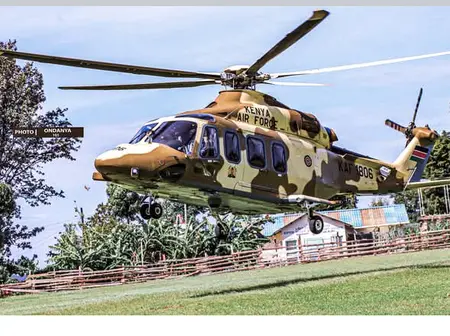
President William Ruto abruptly cut short his Western Kenya tour on Saturday night, November 22, before travelling to the Republic of Congo.
At around 6:30pm, Ruto was in Kakamega County, attending public engagements as part of his Western Kenya tour.
However, by approximately 11pm, the Head of State had reportedly travelled outside the country, heading to the Republic of Congo.
His sudden departure raised questions among Kenyans who had been following his earlier engagements across the region.
According to reports highlighted in Kenyan newspapers on Sunday, November 23, the trip was connected to an important diplomatic mission.
Ruto reportedly travelled to participate in high-level discussions involving regional leaders seeking solutions to tensions affecting Central and East Africa.
One of the major issues was the four-year diplomatic standoff between Kenya and the Democratic Republic of Congo.
During the visit, Ruto held crucial talks with DRC President Félix Tshisekedi as leaders explored ways of restoring diplomatic relations.
The discussions also brought together Republic of Congo President Denis Sassou Nguesso and Togo's Council of Ministers President Faure Gnassingbé.
Their meeting reportedly focused on the ongoing armed conflict in eastern DRC, regional security and opportunities for economic cooperation.
Eastern DRC has experienced prolonged insecurity involving armed groups, creating humanitarian and security concerns across the African continent.
The diplomatic engagement was therefore viewed as an opportunity to strengthen cooperation and explore possible solutions to the continuing conflict.
However, the newspaper coverage also highlighted growing concerns surrounding Kenya's diplomatic relationships with several neighbouring countries.
Nairobi has reportedly faced criticism from capitals including Kinshasa, Kampala, Dodoma and Mogadishu over its regional diplomatic approach.
Some neighbouring governments have accused Kenya of interference, double-dealing and advancing interests they consider harmful to their countries.
These tensions have placed Ruto's foreign policy ambitions under scrutiny as he seeks greater influence in continental affairs.
His latest diplomatic engagement could therefore test his administration's ability to rebuild trust and strengthen relationships with neighbouring governments.
Meanwhile, the Sunday newspaper review highlighted several other developments affecting the country.
Kenya's public debt has reportedly exceeded KSh13 trillion, raising fresh concerns about borrowing levels and the government's financial obligations.
A report presented to the National Assembly by Treasury Cabinet Secretary John Mbadi detailed additional borrowing between May and August 2026.
The borrowing has renewed questions about the country's debt burden and the government's ability to manage its financial commitments.
Elsewhere, the Kenya Wildlife Service continued searching for a man who disappeared during a hiking expedition in the Aberdares.
The search reportedly involved helicopters and drones as authorities intensified efforts to establish the missing man's whereabouts.
The newspaper review also examined strict rules reportedly imposed on female members of the Kavonokya religious sect.
The developments featured alongside Ruto's diplomatic mission, highlighting the political, economic and security issues dominating national discussions.
President William Ruto has arrived at Nzoia Sugar Factory in Bungoma County to oversee the payment of bonuses to sugarcane farmers, returning to Western Kenya a day after attending a regional summit in the Republic of the Congo.
Ruto was received at the factory by senior government and political leaders, including Co-operatives Cabinet Secretary Wycliffe Oparanya, Kimilili MP Didmus Barasa, COTU Secretary General Francis Atwoli and Deputy Inspector General of Police Gilbert Masengeli.
His visit comes a day after he travelled to Oyo in the Republic of the Congo, where he met Democratic Republic of the Congo President Félix Tshisekedi during a regional summit. The two leaders agreed to restore diplomatic relations between Nairobi and Kinshasa following a period of strained ties.
Ruto had cut short his Western Kenya tour over the weekend to attend the Congo meeting. His return to Nzoia places the sugar industry back in focus, with farmers in Bungoma and neighbouring counties keenly awaiting payments and the benefits of ongoing reforms in the sector.
The bonus payments are also expected to carry political significance as competition for support in Western Kenya gathers pace ahead of the 2027 General Election.
Ruto will be seeking to strengthen his administration's relationship with sugarcane farmers and regional leaders as rival political camps step up their activities in the region.