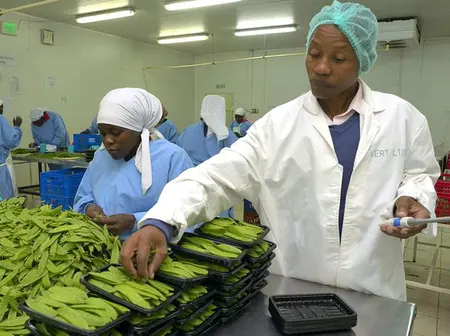
The National Codex Strategic Plan 2026-2031 was launched in Nairobi on Wednesday, 11 November, by the Kenya Bureau of Standards (KEBS).
According to the Kenya News Agency, the framework aims to address emerging food safety risks while strengthening the country's capacity to develop and implement internationally recognised food standards.
KEBS Director General Esther Ngari said the strategy would promote scientific research, improve coordination among regulatory institutions and help ensure Kenyan food products meet international requirements.
The plan focuses on three key areas: developing science-based food standards, strengthening the National Codex Committee and integrating sustainable practices into food safety policies.
Its targets include training at least 160 food safety experts by 2031 and conducting seven or more commodity-based risk assessments from 2027.
The initiative comes amid concerns about food contamination, particularly aflatoxins in cereals and nuts. These naturally occurring toxins can cause serious health problems when contaminated food is consumed.
Officials also reported that Kenya had submitted 58,000 aflatoxin data points from cereals and cereal-based foods to the joint FAO/WHO Expert Committee on Food Additives to support international risk assessments.
Implementation will require cooperation between national and county governments, research institutions, food producers and regulatory agencies.
Ultimately, the strategy's success will depend on effective funding, stronger enforcement and improved food inspection systems. For consumers, the expected outcome is safer food and greater confidence in the products available in Kenyan markets.
Sources
Kenya News Agency _ Sh760 million food safety strategy
Kenya Bureau of Standards
FAO/WHO Codex Alimentarius
Leave a Reply