Trade between China and Africa has grown to Ksh40.6 trillion in the first nine months of 2026, with agricultural exports from Africa recording strong growth following the introduction of China’s zero-tariff policy for African goods.
In a post shared on X on Thursday, November 5, 2026, the China-related trade update said trade between the two sides had increased by 22 per cent year-on-year to about Kssh40.6 trillion.
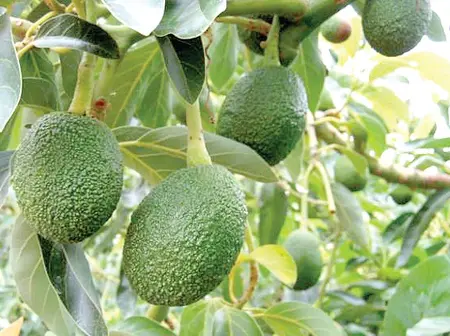
The update highlighted increased demand for African agricultural products in China since the policy took effect on May 1, including peanuts, frozen strawberries and avocados.
Peanut imports increased 4.4 times, while frozen strawberry imports rose by 113 per cent and avocado imports grew by 82 per cent.
“Mutually beneficial trade brings tangible gains to people on both sides!” the post stated.
The figures point to growing opportunities for African agricultural producers seeking access to China’s large consumer market.
According to the update, Africa accounts for 70 per cent of China’s sesame imports and 40 per cent of its coffee imports, highlighting the continent’s role in supplying key agricultural commodities.
The zero-tariff policy is intended to make eligible African goods more competitive in the Chinese market by removing import duties, potentially creating opportunities for farmers, exporters and agricultural businesses.
However, the reported growth figures cover trade between China and Africa as a whole and do not necessarily reflect export performance by individual African countries.
The reported increase in demand comes as Kenya’s avocado industry faces restrictions on sea exports because of low production volumes.
On Wednesday, October 28, 2026, the Agriculture and Food Authority (AFA) announced the suspension of sea shipments of Hass, Fuerte, Pinkerton and Jumbo avocado varieties from October 30.
The decision followed an assessment by the Horticultural Crops Directorate, which found that current production was insufficient to support sea shipments.
“The survey findings are that current production volumes are low and insufficient for sea shipment,” the authority stated in a notice signed by Calistus Efukho on behalf of the Director General.
Air shipments of the affected varieties are permitted to continue, subject to inspection and traceability requirements.
The authority also suspended avocado harvesting for oil processing during the restricted period and introduced verification requirements for existing oil stocks intended for export.
Processors must have their stocks verified before clearance, while imports of avocado fruit for oil processing have also been suspended during the closure.
The measures are intended to prevent the harvesting of immature local avocados under the pretext that the fruit was imported.
Exporters who violate the restrictions risk having their licences revoked, while permits will not be issued for consignments that breach the guidelines.
The developments highlight the opportunities presented by expanding international markets alongside the production and quality requirements Kenyan exporters must meet to benefit from rising demand.
Leave a Reply