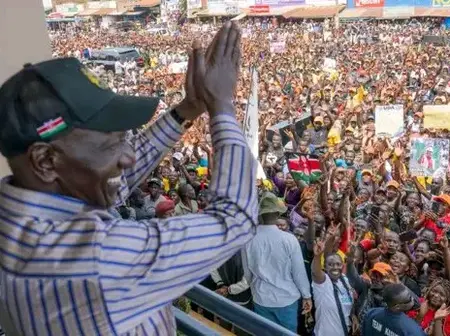
The President's challenge comes at a time when several opposition figures are positioning themselves for the country's top seat. Among the prominent names are former Deputy President Rigathi Gachagua, Wiper leader Kalonzo Musyoka, former Interior Cabinet Secretary Fred Matiang'i and Nairobi Senator Edwin Sifuna.
For Ruto, the disagreement over the presidential ticket presents an opportunity to question the opposition's preparedness to challenge his administration. During his Western Kenya tour, he challenged rival leaders to identify their flagbearer and explain the alternative agenda they intend to present to Kenyans.
However, the difficulty facing the opposition goes beyond simply announcing a name. Each political leader brings a different support base, political experience and regional interests into the negotiations. Choosing one candidate means others must decide whether they are prepared to support someone who could otherwise have been their presidential rival.
Gachagua has been building his political influence through his Democratic for the Citizens Party, while Kalonzo has maintained his ambitions after several previous attempts at the presidency. Matiang'i also remains among the figures being discussed, while Sifuna's growing political profile has introduced another dimension to the opposition's calculations.
These competing interests make coalition negotiations particularly sensitive. Leaders must consider not only the presidential candidate but also the running mate, distribution of political responsibilities and how participating parties will be represented.
The disagreements also carry implications for regional political alliances. Mt Kenya, Ukambani, Western Kenya and other voting blocs remain important considerations as politicians attempt to build a national coalition. A candidate acceptable to one political camp may not automatically receive the backing of another.
For ordinary Kenyans, however, the bigger question is what these political negotiations will deliver beyond the presidential contest. Voters dealing with the cost of living, employment challenges, taxation and access to public services will want to understand what each side intends to do differently.
Political observers have repeatedly pointed out that bringing several influential politicians together is only one part of building a credible coalition. Agreeing on policies, leadership structures and a transparent candidate-selection process is equally important.
The 2002 National Rainbow Coalition provides a historical example of opposition parties eventually rallying behind one presidential candidate. However, repeating such an arrangement requires political compromises and an agreement that competing leaders are willing to respect.
As the 2027 election approaches, opposition leaders face the task of turning their consultations into a workable political arrangement. Ruto's latest challenge has placed that unresolved question back in the public discussion.
Will Gachagua, Kalonzo, Matiang'i and their allies eventually agree on one candidate, or could competing presidential ambitions make their unity harder to achieve?
Leave a Reply