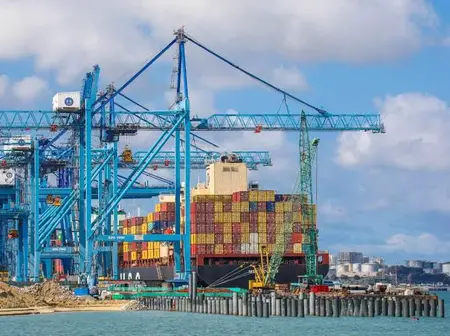
Unveiled on Saturday, November 28, 2026, during events commemorating 30 years of KPA's Kampala Liaison Office, the changes are engineered to modernize cargo documentation, speed up port turnaround, and strengthen the competitiveness of the Northern Corridor.
Since opening its Kampala office in 1996, KPA has witnessed Uganda evolve into its single largest transit customer, now accounting for roughly 71 percent of all transit cargo handled through the Port of Mombasa.
To keep pace with rising trade volumes—which expanded from 1.2 million metric tonnes in 1996 to 10.9 million metric tonnes in 2025—the port authority is shifting away from manual paperwork toward full digital integration.
Under the refreshed operational framework, Ugandan traders will benefit from streamlined electronic cargo documentation, automated invoicing, and upgraded vessel-handling equipment at Mombasa.
KPA is also expanding pre-clearance coordination with the Uganda Revenue Authority (URA) and the Kenya Revenue Authority (KRA) so consignments are verified before arrival, reducing dwell times at the coast.
At the same time, the port authority is aligning its logistics network with Kenya's ongoing push to extend the Standard Gauge Railway from Naivasha through Kisumu to the Malaba border.
Once completed, the 475-kilometer rail link will allow heavy containerized cargo to move seamlessly from ships in Mombasa straight to the Ugandan frontier without relying solely on long-haul trucks.
In the interim, KPA continues to encourage Ugandan businesses to utilize the Naivasha Inland Container Depot, where Kenya allocated dedicated land for Ugandan cargo storage to cut transport costs and highway congestion.
By combining faster digital port procedures with deeper regional rail connectivity toward Malaba, KPA aims to lower the cost of doing business for landlocked traders and safeguard Mombasa's lead across East and Central Africa.
SOURCE
Leave a Reply