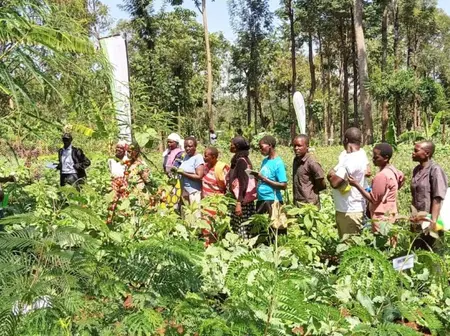
Highlighted on Saturday, November 28, 2026, the shift reflects growing grower interest in short-cycle indigenous vegetables capable of generating more frequent household cash flow while complementing existing mixed farming enterprises such as dairy.
Unlike sugarcane, which ties up land for 18 to 24 months and exposes farmers to miller payment delays, or seasonal maize harvests, managu matures quickly—typically ready for initial harvesting within three to six weeks depending on variety and management—and can yield repeated leaf pickings over several months when properly tended.
Kakamega’s relatively reliable rainfall, fertile soils, and active local markets provide favourable conditions for growing traditional greens alongside dairy and other on-farm activities, helping smallholders spread income risk across the calendar.
Growing consumer demand for indigenous vegetables in urban and regional markets has further encouraged production, with county market records showing managu trading around Ksh80 per kilogramme in Kakamega in early November 2026.
At the same time, farmers face practical hurdles—including seasonal price swings during peak supply, high perishability of fresh leafy greens, and market access bottlenecks that require timely transport and reliable buyer linkages.
Sustained gains for Kakamega growers will depend on quality seed selection, soil care, post-harvest handling, and direct access to dependable markets.
What are your thoughts about this article? Share your reactions in the comment section and don't forget to share and follow for more updates.
https://peopledaily.digital/business/why-kakamega-farmers-are-turning-to-managu-to-improve-their-earnings
Leave a Reply