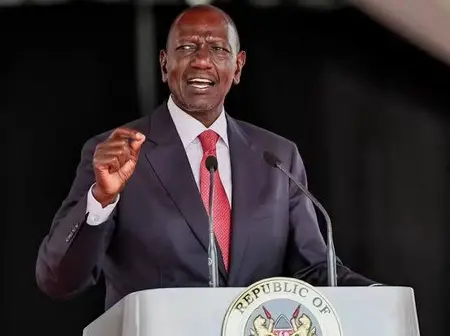
For decades, Kenya’s development planning suffered from stop-start execution whenever administrations changed every five or ten years. By anchoring physical infrastructure—such as the recently proposed urban expansion in Nasewa, Busia County—on a three-decade horizon, the administration is attempting to shift national discourse from short-term political handouts to long-term structural legacy.
Political and economic observers note that this framing also serves a strategic purpose ahead of the 2027 General Election. Casting these capital projects as multi-decade national necessities sends a clear message to voters that continuity in leadership is vital to protect ongoing investments from stalling.
Behind the scenes, the thirty-year blueprint exposes intense competition over public resources and fiscal priorities. Rival political formations, including Edwin Sifuna’s Linda Mwananchi Movement, have fiercely criticised the housing levy and heavy infrastructure spending, arguing that citizens need immediate tax relief rather than distant concrete promises.
Insiders familiar with Treasury planning suggest that sustaining such a massive construction pipeline requires consistent domestic revenue mobilisation and private-sector partnerships. However, opposition leaders continue to question whether the current tax burden is sustainable for households already stretched thin by inflation.
For the ordinary mwananchi, the promise of modern trading stalls, decent student accommodation, and affordable homes carries both hope and immediate financial trade-offs. Mama mbogas and small-scale traders stand to benefit from sheltered, hygienic workspaces, while construction sites are currently absorbing thousands of youthful artisans across counties.
At the same time, salaried workers and businesses continue to feel the monthly pinch of statutory deductions funding these projects. For many families, the true measure of success will not be thirty-year master plans, but whether rent, food, and school fees become more manageable today.
Looking ahead, the biggest test for this generational blueprint will be navigating legal hurdles, public debt ceilings, and shifting political winds. While cranes and foundations are already visible across several towns, maintaining funding momentum without triggering fresh taxpayer pushback remains a delicate balancing act.
As campaigns for 2027 gather pace, voters will soon decide whether to endorse this long-term building agenda or demand an immediate shift in economic priorities.
Do you support President Ruto’s 30-year plan to build markets, hostels, and cities, or should the government focus on lowering taxes and living costs first?
https://www.facebook.com/share/1D77ygAMtX/
Leave a Reply