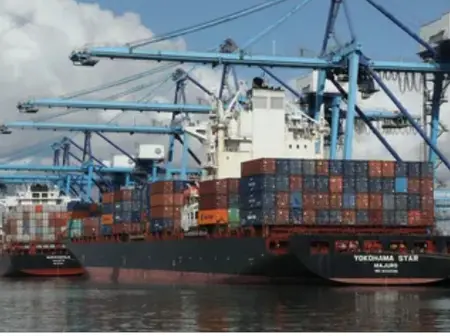
Evergreen Marine, Orient Overseas Container Line (OOCL) and X-Press Feeders removed Port Klang in Malaysia from the southbound leg of their joint shipping service on Friday, November 27, according to shipping publication Container News.
Under the revised schedule, vessels will call at Qingdao, Shanghai, Ningbo and Nansha in China before making a stop in Singapore. They will then sail directly to the Port of Mombasa before completing the return journey to Qingdao.
The shipping service operates weekly, connecting major manufacturing centres in Asia with East African markets. The latest adjustment eliminates one port call while maintaining connections to four major Chinese ports.
For Kenya, the development is significant because Mombasa is the country's principal maritime gateway and an important entry point for goods destined for neighbouring landlocked countries.
Cargo handled at the port supplies markets in Uganda, Rwanda, South Sudan and the eastern Democratic Republic of Congo, making shipping schedules important to businesses across the region.
China remains Kenya's largest import partner, with traders depending on manufacturing centres such as Qingdao, Shanghai, Ningbo and Nansha for machinery, electronics, construction hardware, textiles and plastic products.
Removing Port Klang from the southbound rotation could reduce the time vessels spend making port calls and handling cargo before crossing the Indian Ocean. This may help improve schedule reliability and potentially shorten delivery times for some Kenyan importers.
However, the change could create additional logistical challenges for businesses that source goods from Malaysia and other Southeast Asian markets.
Malaysia accounts for approximately four to six per cent of Kenya's merchandise imports by value, meaning traders importing through the affected shipping service may need to consider alternative arrangements.
Although major shipments of palm oil and petroleum products generally arrive through specialised tanker services, containerised goods such as packaged edible fats, oleochemicals, furniture, rubber products and electronic components could be affected.
Port Klang also serves as an important transhipment hub for cargo originating from neighbouring countries, including Thailand, Indonesia and Vietnam.
With the Malaysian stop removed, businesses shipping goods from these markets through the three carriers may have to route their consignments through Singapore or use alternative shipping services.
Such arrangements could introduce additional cargo-handling charges and extend transit times, depending on the connections available and the shipping schedules selected.
The actual impact on Kenyan importers will depend on the shipping arrangements they use, the origin of their goods and the availability of alternative connections.
Source
Leave a Reply