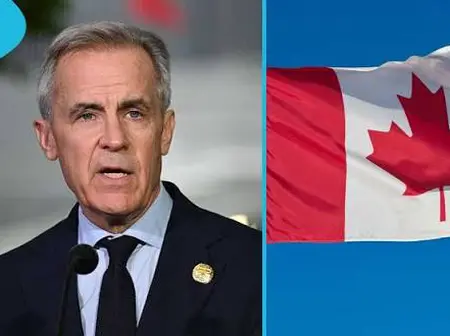
The Canadian government has extended immigration restrictions affecting citizens and residents of three African countries for another 90 days as authorities continue monitoring the Ebola outbreak in parts of Africa.
In an announcement released on Friday, November 27, 2026, Immigration, Refugees and Citizenship Canada (IRCC) confirmed that the temporary measures would remain in force until February 25, 2027.
The affected countries are the Democratic Republic of Congo (DRC), Uganda and South Sudan. The restrictions target foreign nationals living in these countries who applied for Canadian immigration documents while indicating them as their countries of residence.
Under the extended measures, previously approved immigration documents, including temporary resident visas, permanent resident visas, work permits and electronic travel authorisations, remain suspended for affected applicants outside Canada.
This means individuals whose documents were approved before the restrictions may still be unable to use them to travel to Canada.
The Canadian immigration department clarified that applications from affected individuals would continue to be processed. However, final decisions and approvals would remain on hold until the restrictions are lifted.
The government explained that the measures were introduced as a precautionary step to prevent the spread of Ebola into Canada, despite the country's assessment that the risk of the disease reaching its territory remains low.
Applicants affected by the restrictions may request exemptions, which will be considered individually based on public health risks and humanitarian circumstances.
However, the restrictions do not automatically apply to citizens of the three countries who were living outside the affected nations when they submitted their immigration applications.
The latest extension comes as health authorities continue monitoring the Ebola outbreak, particularly in the Democratic Republic of Congo, where the situation has raised regional and international public health concerns.
Canada said it would continue assessing developments before determining whether the measures should be lifted or extended further.
Leave a Reply