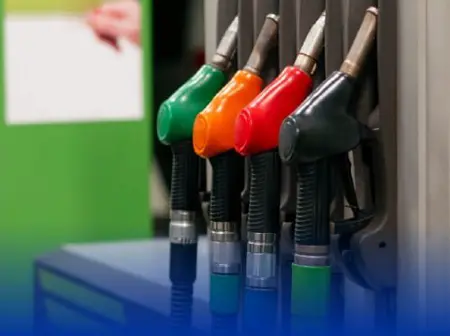
Every time motorists buy fuel in Kenya, Ksh25 from every litre goes to the Road Maintenance Levy Fund (RMLF). The government now wants to commit another Ksh5 from that amount to borrowing, raising the portion set aside for securitisation to nearly half of the total levy.
Transport Cabinet Secretary Davis Chirchir told the Senate Standing Committee on Roads, Transportation and Housing on November 26, 2026, that the ministry had already committed Ksh7 per litre to securitisation and was finalising plans to pledge an additional Ksh5.
The proposed arrangement would raise the amount committed to Ksh12 per litre, representing 48 per cent of the total collection. The government expects to raise about Ksh140 billion through the arrangement, with the money intended to finance infrastructure projects and settle Ksh98.17 billion owed to road contractors as of June 2026.
Chirchir told senators that the arrangement was permitted under the law, which allows the government to securitise up to 50 per cent of the Road Maintenance Levy.
“The law that you gave us does allow us to securitise up to 50 per cent in Section 6 of the Act,” Chirchir told the committee.
He explained that budget allocations had only covered half of the funding required to meet the year’s road construction targets, leaving the ministry with limited options to finance ongoing projects.
The government is therefore turning to future fuel levy collections to raise money for infrastructure development and clear outstanding payments to contractors.
The proposal, however, raised concerns among senators, particularly over the possibility of the government committing even more of the levy to borrowing in future.
Kitui Senator Enoch Wambua questioned what would prevent the ministry from increasing the amount set aside for securitisation beyond the proposed Ksh12 per litre.
“What will stop you or another person in that ministry from saying we need another three shillings to securitise and undertake another project? Where is the regulatory framework for this securitisation?” Wambua asked.
He also questioned why the ministry wanted to use additional fuel levy collections to settle pending bills for projects that had already received funding through the national budget.
Chirchir maintained that the arrangement would remain within the law, adding that commercial lenders would also be responsible for enforcing compliance.
The proposed borrowing also comes at a time when Kenya’s fuel consumption could change with the growing adoption of electric vehicles.
More than 35,000 electric vehicles are already on Kenyan roads, raising concerns about future collections from the fuel levy as motorists increasingly shift away from petrol and diesel.
The ministry has started exploring new charges on electric vehicles to compensate for the expected reduction in revenue.
Separately, the National Treasury has proposed reducing the amount allocated to the Road Annuity Fund from Ksh3 to Ksh1.50 per litre. The change is expected to save motorists between Ksh75 and Ksh80 when filling a 50-litre tank.
However, the proposed reduction also raises questions about how existing securitisation commitments will be met.
The International Monetary Fund (IMF) has also warned that treating securitised fuel levy revenues as ordinary financing rather than public debt could understate Kenya’s actual debt position and complicate negotiations for a new lending programme.
For motorists, the proposed changes mean that a growing share of the money collected through fuel purchases will go towards financing commitments made years before the roads are built or repaired.
Leave a Reply