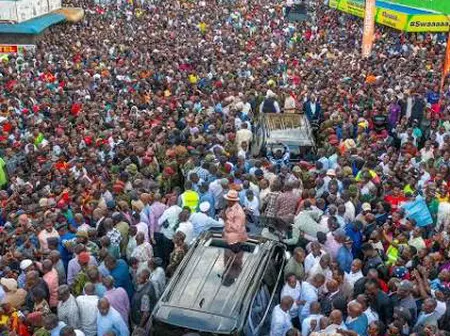
For the Kenya Kwanza administration, this massive capital commitment serves as a direct counter-offensive against persistent political headwinds in its former stronghold. Political observers note that by spotlighting tangible projects—including 411 kilometres of county roads and Ksh.12.5 billion in Social Health Authority hospital disbursements—the government aims to shift public focus away from economic grievances toward visible state delivery.
Strategically, the tour underscores a deliberate shift in how President Ruto navigates Mt Kenya’s fractured political landscape following past fallout with regional kingpins. During his addresses in Lari and Kiambaa, the President explicitly dismissed self-styled political brokers, signaling a strategy of bypassing traditional intermediaries to negotiate directly with grassroots voters using development scorecards.
For the ordinary mwananchi in Kiambu and the wider Nairobi metropolitan belt, the promised investments carry significant economic weight if executed on schedule. Upgrading rural feeder roads and finalizing the Mau Mau corridor promises to cut post-harvest losses and transport costs for dairy, avocado, and horticultural farmers, while dualling Kiambu Road addresses daily commuter gridlock. However, taxpayers remain acutely aware that multibillion-shilling infrastructure pledges require sustained fiscal discipline amid tight national budgets.
From a governance and constitutional perspective, large-scale project launches less than a year before an election inevitably draw scrutiny over public finance management and electoral fairness. Legal and public policy analysts point out that under the Public Finance Management Act and electoral regulations, state agencies like the Kenya Urban Roads Authority and the National Land Commission must ensure transparent procurement and timely land compensation so public works remain insulated from campaign-cycle distortions.
Ultimately, the Ksh.60 billion Kiambu rollout sets the tone for how development politics will dominate the road to 2027. Whether completed roads and healthcare reimbursements will outweigh lingering cost-of-living pressures in the minds of Mt Kenya voters remains the defining test of Ruto’s direct-to-voter strategy.
Do you believe multibillion-shilling infrastructure projects will be enough to secure Mt Kenya’s support in 2027, or are voters prioritizing immediate relief on taxes and the cost of living?
Leave a Reply