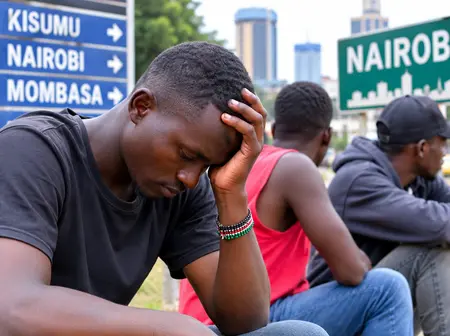
Many male sex workers experience discrimination and find it hard to obtain healthcare.
Men sell sex – or engage in sex for rewards – and either depend on or add to their incomes in this manner. Insights from Kisumu, Nairobi and Mombasa illustrate the issues faced by those who sex for money or rewards.
Meshack Abur (not his real name) from Kisumu explains that male sex workers find it hard to receive healthcare including that for HIV and sexually transmitted infections (STIs) due to stigma.
AI generated image for illustration purposes only
John Wekesa from Nairobi is calling for the government to create initiatives which cater for male sex workers. He highlights that although much support is aimed at women, men often do not have easy access to appropriate services.
Fumo Mbwana from Mombasa notes that men avoid healthcare services for fear of being identified. Men suffering from infections such as gonorrhoea and syphilis might be concerned about the rumours which could spread regarding their ailments.
Consequently, some reportedly choose to self-treat. This may prevent timely detection and management of illnesses.
Furthermore, men express concerns about informing the police of experiences of bullying and abuse. They mention that their concerns are sometimes not taken seriously and there are fears that they may even face additional abuse.
There are also allegations of police extorting money and clients using funds to avoid responsibility. These issues need to be examined.
Whilst sex work cannot be automatically associated with homosexuality, stakeholders emphasise the importance of making this distinction.
Sex work is when someone sells something for money. Sexual orientation relates to whom an individual is attracted to.
Walter Odede Nyakwaka, chief executive of Africa Alive in Kenya, stresses that local communities should be involved in designing support initiatives.
Possible areas for support are: private healthcare; HIV and STI testing; education; counselling; and both legal and police sector support.
The men’s experiences demonstrate how stigma can contribute to social exclusion and dissuade individuals from accessing support. Regardless of prevailing societal views on sex work, stakeholders must offer support and respect human worth.
https://www.facebook.com/share/19ZncuxSB4/
Leave a Reply