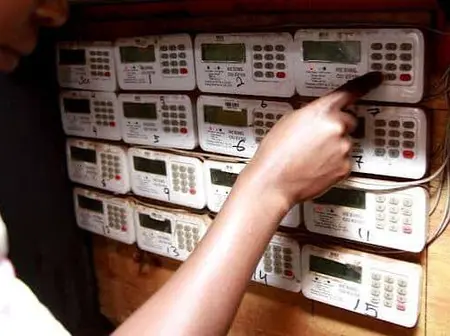
Many Kenyan households are looking for ways to manage their monthly expenses as the cost of essential services continues to put pressure on family budgets.
Electricity consumption is one area where small changes in daily routines can help reduce household spending without necessarily affecting comfort or disrupting normal activities.
From switching off unused appliances to choosing energy-efficient equipment, several practical measures can help families manage their power consumption and make their electricity tokens last longer.
Here are four changes households can consider to reduce electricity usage.
1. Switch Off Appliances When Not in Use
Leaving electrical appliances running when nobody is using them can contribute to unnecessary power consumption.
Televisions, computers, phone chargers and other electronic devices may continue drawing electricity when left on standby, depending on their design.
Households can minimise this consumption by switching off equipment at the socket when it is not needed, particularly when leaving the house or going to bed.
However, appliances that require continuous electricity, such as refrigerators, should remain connected to power.
2. Replace Traditional Bulbs With LED Lights
Lighting is another area where households can make savings by choosing more efficient alternatives.
LED bulbs generally consume less electricity than traditional incandescent bulbs while providing comparable levels of illumination.
Families that cannot replace all their bulbs at once can begin with frequently used spaces, including living rooms, kitchens and outdoor security areas.
Allowing natural sunlight into rooms during the day can also reduce the need to switch on lights unnecessarily.
3. Make Better Use of Natural Ventilation
Households that regularly use electric fans can also review how and when they operate them.
Opening windows and doors during cooler periods, where it is safe, allows fresh air to circulate without relying entirely on electrical cooling equipment.
During hot afternoons, closing curtains or blinds can help limit the amount of heat entering rooms through direct sunlight.
Electric fans should also be switched off when nobody is occupying a room. Since fans cool people rather than the entire room, leaving them running in empty spaces results in unnecessary electricity consumption.
4. Consider Energy Efficiency When Buying Appliances
The purchase price of an electrical appliance is not the only factor households should consider when shopping.
Refrigerators, washing machines, televisions and other household equipment have different energy consumption levels.
Checking energy-efficiency labels before making a purchase can help buyers identify appliances that use less electricity during operation.
Although some energy-efficient models may have higher initial prices, their lower electricity consumption could help households manage running costs over time.
Buyers should also consider their actual household needs and avoid purchasing appliances that are unnecessarily large for their intended use.
Managing electricity expenses does not necessarily require households to abandon appliances or compromise their comfort.
Paying attention to daily consumption habits, improving lighting choices and selecting efficient equipment can help families reduce unnecessary power usage.
Over time, these adjustments can contribute to better household energy management and more controlled monthly electricity expenses.
https://www.facebook.com/100064760708552/posts/1744051474430193/?app=fbl
Leave a Reply