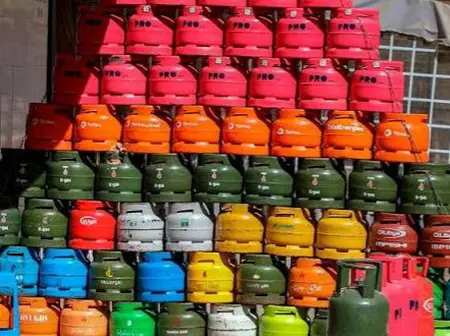
The proposed system is expected to give the regulator greater control over the movement of Liquefied Petroleum Gas (LPG) cylinders, making it easier to establish where they originate, identify suspicious products and monitor activities involving refilling.
The development could present a major challenge to unscrupulous dealers who have been involved in the circulation of illegally refilled, tampered-with or unauthorised gas cylinders, some of which end up in Kenyan households through informal distribution networks.
EPRA Director General Edward Kinyua disclosed the plans on Friday, November 27, during the annual Kenya Editors' Guild meeting in Mombasa.
According to Kinyua, the technology is being developed to strengthen product traceability, improve regulatory decisions and ensure that safety standards are followed throughout the petroleum supply chain.
The tracking system is also expected to help the authority identify illegal cylinders and establish whether gas products are being handled and distributed through authorised channels.
The announcement comes at a time when EPRA has been urging Kenyans to exercise caution when purchasing cooking gas, particularly because of the risks associated with fraudulent dealers and poorly maintained cylinders.
In its previous consumer safety advisories, the regulator has asked members of the public to inspect gas cylinders before accepting them from retailers.
Among the details consumers are expected to check are safety seals, clear branding and serial numbers. Buyers have also been advised to verify the weight of cylinders to ensure they receive the correct quantity of gas.
EPRA has further warned that cylinders must have valid test or requalification dates. Under the regulator's guidelines, all cylinders should undergo requalification within eight years of manufacture to establish whether they remain suitable for continued use.
Beyond the planned LPG tracking system, Kinyua revealed another technological intervention targeting fuel stations across the country.
He disclosed that the government was adopting Geospatial Information Science (GIS) technology to monitor more than 3,000 fuel stations, a move intended to improve market intelligence and strengthen regulatory oversight.
The EPRA chief also highlighted government efforts to expand access to cleaner cooking energy, revealing that pilot programmes had been conducted in 21 schools across 20 counties. Piped gas had also been installed in affordable housing projects.
Speaking at the 33rd Institution of Engineers of Kenya International Convention in Mombasa, Kinyua emphasised that engineers would remain important partners in ensuring petroleum infrastructure meets the required safety, environmental and operational standards.
SOURCE
Leave a Reply