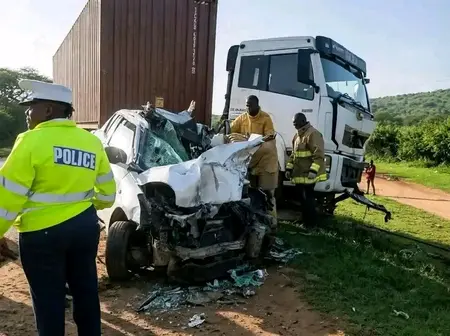
For State House allies and the Ministry of Roads and Transport, every high-profile crash reignites uncomfortable questions about delayed infrastructure upgrades and lax enforcement. Political analysts observe that critics are increasingly using highway safety statistics to challenge the government’s broader promises on public sector efficiency and institutional accountability.
Within the opposition ranks, regional leaders from Ukambani and the Coast are seizing on such tragedies to demand urgent structural interventions along the Northern Corridor. Observers point out that unified calls for the long-delayed dualling of the Mombasa highway are creating rare moments of consensus among rival camps seeking to corner the executive.
For ordinary Kenyans, the Salama crash underscores the daily anxieties of navigating poorly lit, congested highways while grappling with a high cost of living. Commuters and small-scale traders reliant on the Nairobi-Mombasa route increasingly view road safety not merely as a policing issue, but as a fundamental test of whether their taxes translate into tangible protection.
As the country edges closer to the 2027 general elections, civic watchdogs emphasize that the performance of regulatory bodies like the National Transport and Safety Authority will face intense public scrutiny. Legal and policy analysts suggest that failure to curb preventable highway deaths could harden voter skepticism toward incumbent leaders across key battleground counties.
Do you think recurring accidents along the Nairobi-Mombasa Highway point to a failure in government infrastructure planning, or is driver indiscipline primarily to blame?
Leave a Reply